
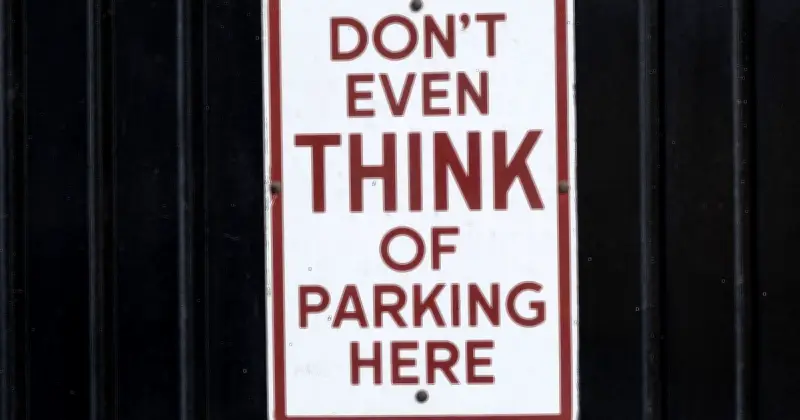
Homeowners hoping to stop strangers parking outside their properties have been warned that a simple note or sign may not give them the legal protection they expect. The key question is who owns the road and the land outside the property.
Private roads and ownership
Private roads can give homeowners more control than public highways, but the rules are not always straightforward. Unlike council-maintained roads, private roads are managed by individuals, residents' groups or companies responsible for the land. Some private roads allow the public to walk or drive along them, while others restrict access entirely with barriers or gates.
For homeowners hoping to prevent visitors parking outside their homes, ownership of the land is crucial. Some properties include ownership of the area immediately outside the house, while in other cases that land may belong to a neighbour, a management company or all residents collectively. The exact arrangements should be recorded in the property's title deeds or Land Registry documents.
Signs and deterrents
If a homeowner owns the land outside their property, they can generally put up a sign making clear that parking is not allowed or that the area is private. Such signs do not create new legal rights, but they can warn motorists that parking without permission may amount to trespass and can often prevent disputes before they begin.
However, residents should be careful when using parking deterrents such as cones. Traffic cones can usually be placed on land owned by the homeowner to discourage vehicles from stopping there, provided they do not block another person's legal right of way or prevent access. Putting cones on land that does not belong to the homeowner, or on a public road, could create problems.
Avoid self-help measures
Experts also warn residents against taking matters into their own hands if someone ignores warnings. Homeowners should not block vehicles in, clamp cars or arrange for vehicles to be removed themselves, as doing so could leave them facing legal consequences.
In many cases, the simplest solution is communication. A clear sign, a discussion with neighbours and a joint approach through a residents' association or management company can often resolve parking disputes more effectively. For those living near busy beaches, knowing exactly what land they own and what rights apply could help avoid costly arguments during the summer rush.




