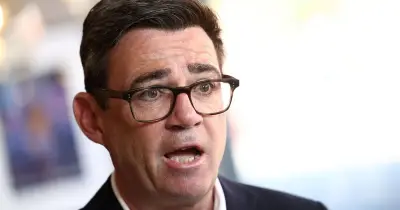
Andy Burnham has announced £10bn in funding for housing associations and 'strategic partners' to support the construction of 70,000 homes across England, with around 60 per cent allocated for social rent. The move appears to diverge from his earlier campaign rhetoric, when he said Labour's £39bn, 10-year social and affordable homes programme should be 'dedicated to council homes'.
Campaign Promise vs. Government Announcement
During his campaign to become the MP for Makerfield, Mr Burnham was explicit about the need for the programme to be 'council' rather than just 'social' housing. “Let’s not be coy any more… I’m saying council homes because control matters,” he said.
Ten days after winning his seat, in a speech to Labour members and officials at Manchester’s People’s History Museum, he recalled how, growing up in the 1970s, 'a council home, a secure home... was the foundation for everything', alongside a good technical education. The loss of both, he argued, had undermined working-class aspiration.

Fast forward two months and Mr Burnham’s latest announcement doesn’t quite match his previous rhetoric. The Prime Minister announced on Monday (August 25) he would be handing out £10bn to housing associations and 'strategic partners', a significant distinction from his earlier call.
Government Defends Approach
The government insists it has not backtracked. Asked whether Mr Burnham had failed to stand by his earlier promises, housing minister Matthew Pennycook said: “No, I don’t. I mean, Andy Burnham said in the by-election that he wanted to see more money spent on social rent on council house building. That’s exactly what we’re doing through this initial wave of funding.”
The announcement brings Mr Burnham closer to previous PM Sir Keir Starmer’s position. The proportion of the homes earmarked for social rent is in line with that expected under the previous government, while 'strategic partners' including housing associations will be able to deliver them. As Prime Minister, Sir Keir pledged to build 300,000 net new homes a year, with a target of 1.5 million homes over the course of the Parliament.
Regional Allocations and Criticism
During the 1950s, councils built nearly 200,000 homes a year. Today, however, half of them neither own nor build their own homes. In a bid to change that, more than £2bn of the first allocations is expected to be spent in mayoral areas outside London, as part of the government’s wider devolution agenda. Mayoral strategic authorities will help set the direction of programmes in their areas, while more than £16bn remains to be allocated outside London.
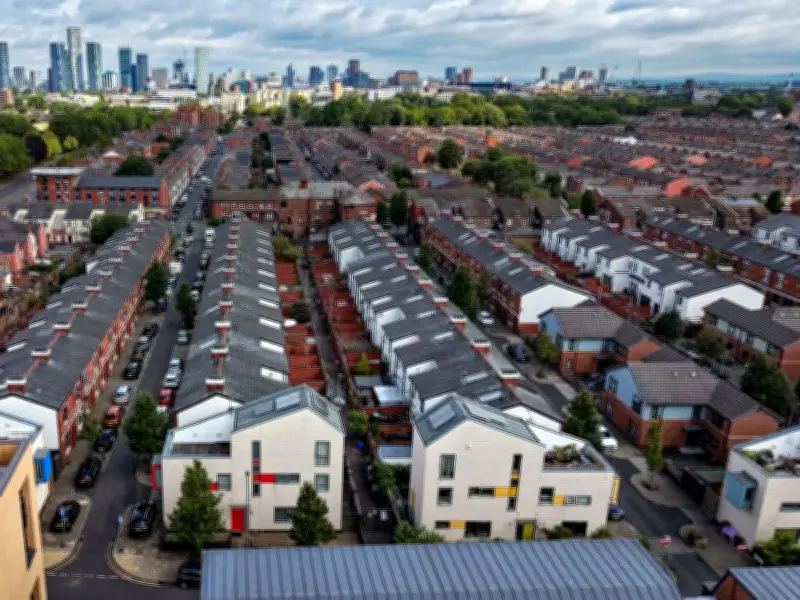
Greater Manchester will receive £529m to support the construction of around 4,000 new social and affordable homes. An additional £6bn has been earmarked for London.
The political criticism centres on whether this amounts to a genuine return to mass council housebuilding or simply a broader social-housing programme delivered through a mixture of councils, housing associations and other 'strategic partners'. Hannah Spencer, Green MP for Gorton and Denton, described it as a 'massive backtrack' by Andy Burnham. She said: “It is another missed opportunity to provide the genuinely affordable housing that is so desperately needed.”
The Tories said funding had been 'backloaded' to fall outside the spending review and this Parliament, 'meaning Andy Burnham will never have to pay for it'. Kevin Hollinrake, chair of the Conservative party, has warned against building new social housing. “Social homes are much more expensive to deliver than affordable homes. So again, we need to see the plans, exactly what that distribution will be and how much it’s going to cost,” he told Sky News. “That number has not changed under Labour and on the broader picture on the housing market generally, the numbers of new homes being delivered, net new additions, has dropped by about 15 pc since they took office.”
However, the Liberal Democrat housing spokesperson Gideon Amos said it was a 'good first step' in securing adequate housing stock.

Housing Affordability Crisis
The recent debate reflects the wider housing affordability crisis. Across England, the average home costs around £293,000, more than eight times the median annual salary of £32,890. In Manchester alone, a total of 2,193 families were living in temporary accommodation in March 2026, up 5.7 per cent from 12 months earlier.
The key question now is if Mr Burnham’s promise of a 'decisive shift' towards a more interventionist state will actually mean a return to council-led housebuilding at the scale he originally advocated. Or if his approach will be more pragmatic like Starmer’s: a large state-funded programme of social and affordable housing, but with delivery shared between councils, housing associations and other strategic partners.