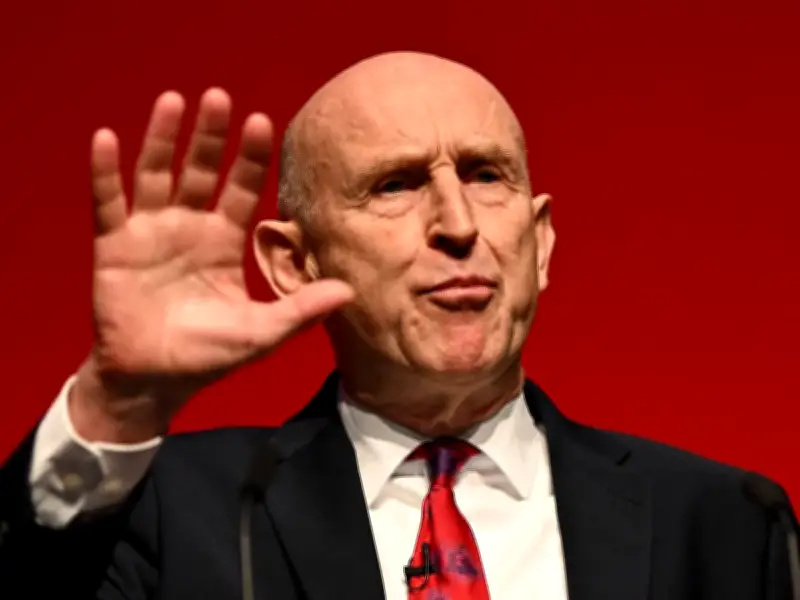
Chancellor John Healey will deliver his first Budget on Wednesday, October 28, outlining measures that are expected to affect homeowners, first-time buyers, renters and landlords. The statement, set to take place at around 12.30pm in the House of Commons immediately after Prime Minister's Questions, comes amid a difficult economic situation worsened by international market turmoil caused by the Iran war.
New first-time buyers' scheme
Prime Minister Andy Burnham announced a new help-to-buy scheme last month, and the full details will be set out by the chancellor during the Budget. Under the new Your First Home scheme, first-time buyers could get on the property ladder with as little as a 2.5 per cent deposit. A loan worth 20 per cent of the property's value will be available to help pay for the purchase, initially interest-free to ensure it remains affordable.
With the average first-time buyer home across the UK costing £230,000, according to Rightmove, a prospective buyer could put down a deposit of £5,750 and access a loan of up to £46,000. The government said the scheme would also set a household income cap with local property price caps to ensure support is targeted at those who need it. Further details, including costs and implementation timelines, will be announced by the chancellor at the Budget.
Capital gains tax and holiday lets
The chancellor has ruled out hiking capital gains tax (CGT), a tax on profits from selling assets such as property, despite calls to make the rate closer to that on earnings. If you pay income tax at the basic rate, CGT is charged at 18 per cent, while higher and additional rate income tax payers are charged 24 per cent. Mr Healey ruled out the move after warnings it could end up costing the government more money if wealthy people leave the country or defer selling off assets.
The government is said to be considering introducing a tax on short-term holiday lets, classing them as second homes instead of businesses, which would make them subject to paying council tax and second-home council tax premiums. Jamie Williams, a property expert at Pure Property Finance, said: "While the PM has previously ruled out stamp duty changes, the government is looking for ways to raise revenue. Landlords and those with second homes are usually the ones that face additional scrutiny in the Autumn budget."
Mansion tax threshold and interest rates
Mr Healey has ruled out lowering the threshold for the incoming 'mansion tax' from £2 million down to £1.5 million ahead of the Budget. A High Value Council Tax Surcharge, also known as the 'mansion tax', was confirmed last year and is set to take effect from April 2028. The tax is paid annually by the property owner on top of standard Council Tax, with revenue going directly to the UK Treasury. According to the Financial Times, the chancellor decided not to lower the threshold over concerns that changing the rules around the new levy would undermine public support for it.
While the chancellor cannot change interest rates directly, decisions surrounding taxation, government spending and economic growth could influence inflation expectations and mortgage pricing. Jamie explained: "With inflation remaining above the Bank of England's 2% target, hopes of cheaper borrowing could potentially face even more setbacks following the budget this month. Although interest rates sit with the Bank of England, the government's approach to taxation could influence inflation expectations, and therefore the outlook for any future rate changes."