Bradford's 'Little Germany': A Victorian Architectural Treasure
Nestled discreetly within Bradford's city centre, just a short walk from the main shopping district, lies an extraordinary quarter that transports visitors back in time. Affectionately known as 'Little Germany' by locals, this compact area boasts an impressive 55 listed buildings, making it one of Britain's most remarkable heritage destinations.
Architectural Marvel in the Heart of Bradford
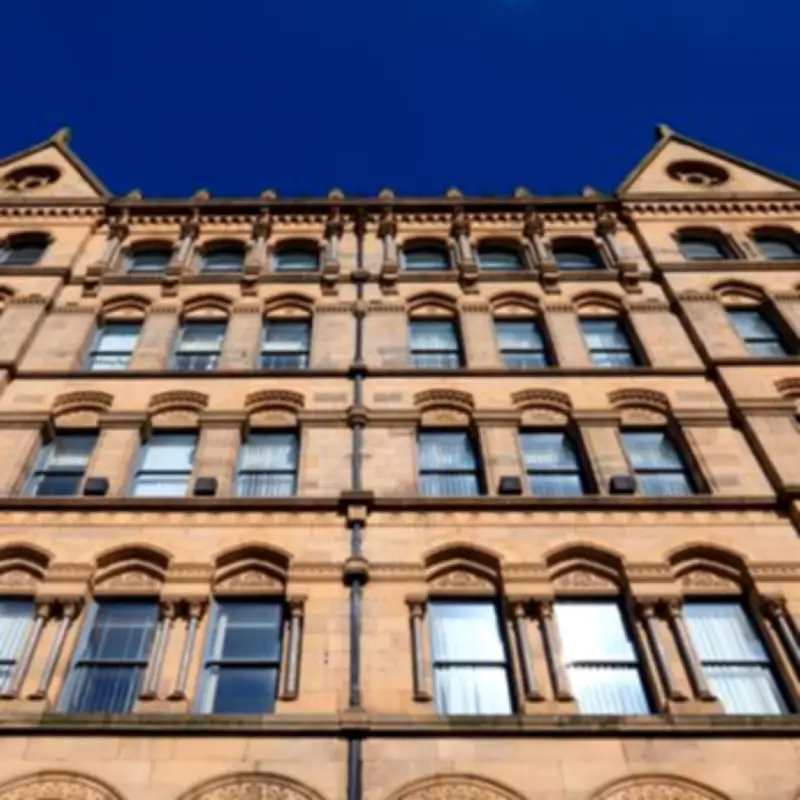
The district features one of the highest densities of listed buildings nationwide, with stunning Victorian architecture compressed into a small, concentrated area. Every glance upwards reveals ornamental details and exquisite craftsmanship that showcase the artistic merit of these stone structures. Visitors don't need architectural expertise to appreciate the visual delight of this historic quarter.
The Little Germany heritage trail enhances the experience by highlighting notable architectural features throughout the route, making the area's history accessible to all. Recent visitors have described the district as "unusual" and "quite unexpected," noting the impressive mock gothic stone warehouses perched on a steep slope above the town.

Historical Significance and Development
What began as a modest market settlement transformed rapidly into a flourishing hub for the wool trade, thanks to German enterprise. Recognizing Bradford's potential, numerous German merchants relocated from their thriving homeland yarn market to expand their commercial operations in the 19th century.
Between 1855 and 1890, they constructed towering textile warehouses along tight lanes in what is now regarded as some of Britain's finest industrial architecture. These entrepreneurs didn't limit their investments to warehouses alone – they poured their fortunes into broader city development, bankrolling ventures including St George's Hall, Bradford's Eye and Ear Hospital, and the Bradford Chamber of Commerce.
Their strategic investments cemented Bradford's reputation as a cornerstone of the wool industry. By the mid-19th century, Bradford was producing approximately two-thirds of Britain's entire wool output, establishing the city's economic prominence during the Victorian era.
Prime Filming Location for Period Dramas
Strolling through Little Germany genuinely feels like time travel to the 18th and 19th centuries, which explains why the neighbourhood has become a popular filming location for period television and film productions. The immaculately preserved Victorian buildings provide authentic backdrops that require minimal alteration for historical accuracy.
Perhaps most famously, the warehouse on Cater Street doubles as Tommy Shelby's headquarters in the BBC's acclaimed series Peaky Blinders. More recently, the area has attracted film crews for Greta Gerwig's upcoming adaptation of The Chronicles of Narnia, scheduled for release this year.
Although production crews have maintained confidentiality about specific filming details, observers have noted vintage cars and horses stationed in the vicinity, accompanied by various film props that suggest extensive use of the location. The district's ability to authentically represent multiple historical periods makes it particularly valuable to filmmakers seeking genuine Victorian settings.
Preservation and Cultural Value
The concentration of 55 listed buildings in such a compact urban area represents a significant achievement in heritage preservation. Each structure tells a story of Bradford's industrial past and the German merchants who shaped the city's development during its wool trade heyday.
Beyond its architectural and historical significance, Little Germany serves as a living museum of Victorian industrial design, offering visitors a tangible connection to Britain's manufacturing heritage. The district continues to evolve while maintaining its historical character, balancing preservation with contemporary use that keeps the area vibrant and relevant.