
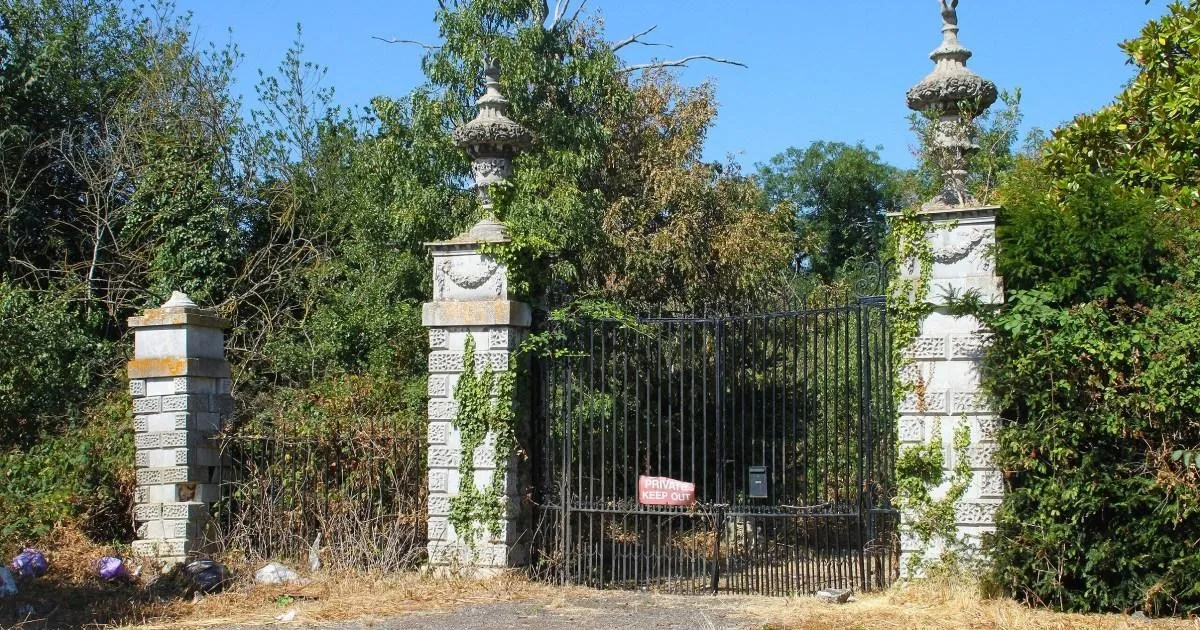
In the shadow of Heathrow’s flight paths, the forgotten grounds of Stanwell Place in the village of Stanwell quietly hold centuries of history. Once a grand estate and the residence of King Faisal II of Iraq, this manor now exists only in memory and scattered remnants.
Over the centuries, Stanwell Place expanded under various owners, with its most significant structural developments occurring in the early 19th century when the Gibbons family established the manor house. The estate included extensive parkland and tenant farms, reflecting the typical landed English gentry lifestyle. The surrounding parkland is believed to have been designed in the 18th century and spanned hundreds of acres.
In 1933, Sir John Gibson, a notable civil engineer later knighted for his contributions during World War II, acquired Stanwell Place. His expertise was crucial in the design and construction of the top-secret Mulberry Harbours, which facilitated the Allied invasion of Normandy in 1944. The manor served as an unofficial meeting place for commanders of the Supreme Headquarters Allied Expeditionary Force (SHAEF), placing it at the centre of planning for pivotal military operations such as D-Day.
Following Gibson’s death in 1947, 22 acres were sold to King Faisal II of Iraq. The young monarch, just 13 years old at the time, was about to begin his studies at Harrow School and frequently stayed at the manor with his family. But King Faisal’s connection to Stanwell Place was cut short when he was assassinated during a coup in Iraq in 1958, and the manor was soon abandoned.
By the 1960s, neglect had taken its toll on Stanwell Place. The manor house was demolished to make way for gravel extraction, erasing much of its physical presence. Today, only the imposing entrance gates remain as silent witnesses to the estate’s layered past.




