

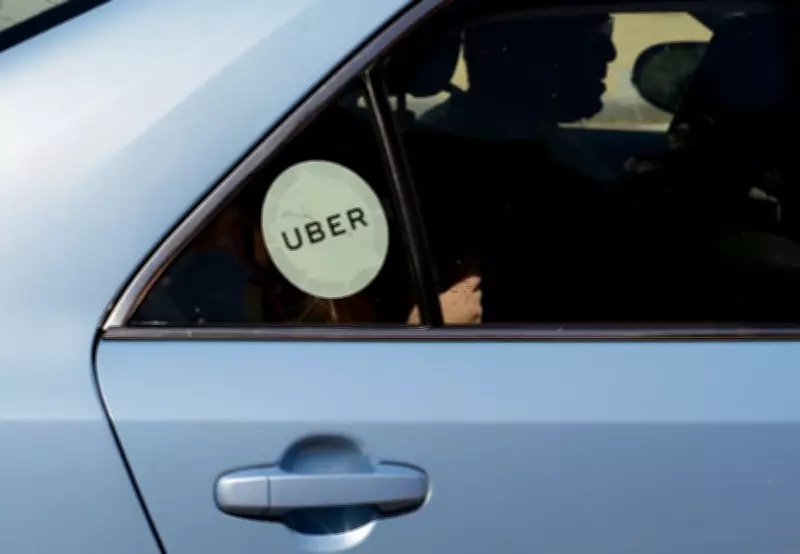
Ride-Share Drivers Grapple with Soaring Fuel Costs Amid Geopolitical Tensions
Drivers for Uber and Lyft across the United States are confronting a severe financial crisis as skyrocketing fuel prices, triggered by the US-Israel war on Iran, have added hundreds of dollars to their monthly expenses. Many describe the support offered by the ride-hailing giants as a "slap in the face", forcing them into a difficult choice: drive more hours to maintain previous earnings or reduce mileage to cut costs.
Financial Strain and Inadequate Support
In recent weeks, average US fuel prices have surged from $2.98 per gallon at the end of February to over $4, prompting Uber and Lyft to expand rewards and discounts through financial services products. However, drivers argue these measures are "pretty hollow" compared to a direct increase in pay. John Mejia, a driver in Oakland with over a decade of experience, noted that filling his hybrid car now costs $60, up from $36, leading him to drive less. "I don't want to waste the gas, because I can't afford it," he said, highlighting how the higher fuel costs directly reduce his net income from rides.
Personal Stories of Struggle
Drivers nationwide share similar hardships. Prisell Polanco in Boston reports spending an extra $300 monthly on fuel without any income boost, forcing him to work 10 to 12 hours daily. Mary, a Chicago-based driver, struggles with unadjusted fare prices, stating, "I'm struggling to put gas in the car to go out there and make the money that I used to make." In Los Angeles, Harvin faces increased costs from $55 to over $75 per tank, requiring 12-hour days to maintain earnings. Jonathan Tipton Meyers, also in LA, criticized the discounts as impractical, noting drivers receive only 25-30% of passenger payments, exacerbating the impact of fuel hikes.

Criticism of Company Programs
Drivers like Mejia dismiss the discount reward programs as nonsensical, claiming they often apply to more expensive gas stations. "It's a slap in the face. They do not care about drivers," he asserted, recalling a previous 50¢ per ride surcharge in 2022 as insufficient but preferable. Uber and Lyft have promoted expanded savings, with Uber claiming top-tier drivers can save up to $1.44 per gallon using combined offers, and Lyft emphasizing support through programs like the Lyft Direct debit card. Yuko Yamazaki, Lyft's VP, stated, "When costs spike, we want drivers to choose Lyft because they feel like the platform works for them, not against them."
Broader Implications for the Gig Economy
As independent contractors, ride-share drivers bear all vehicle-related costs, including fuel, maintenance, and leasing. The current crisis underscores broader issues in the gig economy, where fluctuating expenses can devastate earnings. With many drivers considering reduced hours or alternative jobs, the sustainability of this work model is in question. The ongoing geopolitical situation continues to influence oil markets, leaving drivers uncertain about future stability and calling for more substantial support from companies to ensure their livelihoods.






