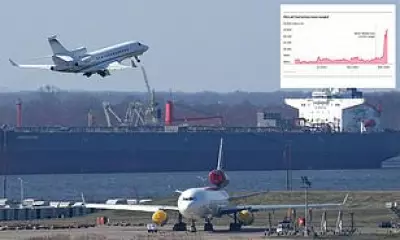
Shares in major oil companies have skyrocketed to unprecedented levels following the outbreak of war in the Middle East, triggering historic surges in global oil and gas markets. The combined market capitalisation of six leading Western "super majors" has surged by over $130 billion in the two weeks since initial US-Israeli attacks on Iran, driven by a severe energy supply shock.
Record Valuations for Industry Giants
This market turmoil has propelled London-listed Shell, Europe's largest oil firm, to a record valuation of £190 billion on the London Stock Exchange as of Friday, marking a 12% increase since late February. Similarly, US-based ExxonMobil and Chevron have witnessed substantial gains, with their market values climbing to $630 billion and nearly $390 billion, respectively, after share price rises of more than 5% and 7% over the fortnight.
Widespread Gains Across the Sector
Other key players have also benefited significantly. BP's shares rose by over 12% since February's end, reaching a market valuation of £82 billion, while TotalEnergies saw gains of approximately 10%, valuing it at €176 billion. ENI experienced a 13% increase to €67 billion, though these companies have yet to surpass their previous all-time highs.

Notably, Norway's state-owned Equinor, Europe's premier gas supplier with no Middle East assets, has emerged as a major financial beneficiary. Its Oslo-listed shares jumped by more than 20% in two weeks, achieving a market value of $90 billion, albeit slightly below peaks seen during the post-Ukraine invasion gas crisis.
Market Dynamics and Production Challenges
The international oil benchmark price peaked at $117 per barrel early in the week, settling just above $103 by Friday's close in UK trading. This sharp price escalation has more than compensated for production disruptions, such as the shutdown at Qatar's primary liquefied natural gas facility, which forced Shell to declare force majeure on deliveries.
Calls for Windfall Taxes Amid Profits
As the industry anticipates multibillion-dollar windfalls—with US oil firms projected to gain $63.4 billion and BP and Shell a combined £5 billion—global environmental group 350.org has urged governments to impose windfall taxes on major oil companies. Clémence Dubois, the group's global campaigns manager, criticised the sector for treating the conflict "like a winning lottery ticket," arguing that working people should not bear the cost.
Dubois advocated for redirecting tax revenues to support households and accelerate the transition to clean energy, warning against fuel duty cuts that she described as subsidies for already profitable firms. This stance highlights growing tensions between soaring corporate earnings and public affordability concerns during the crisis.