

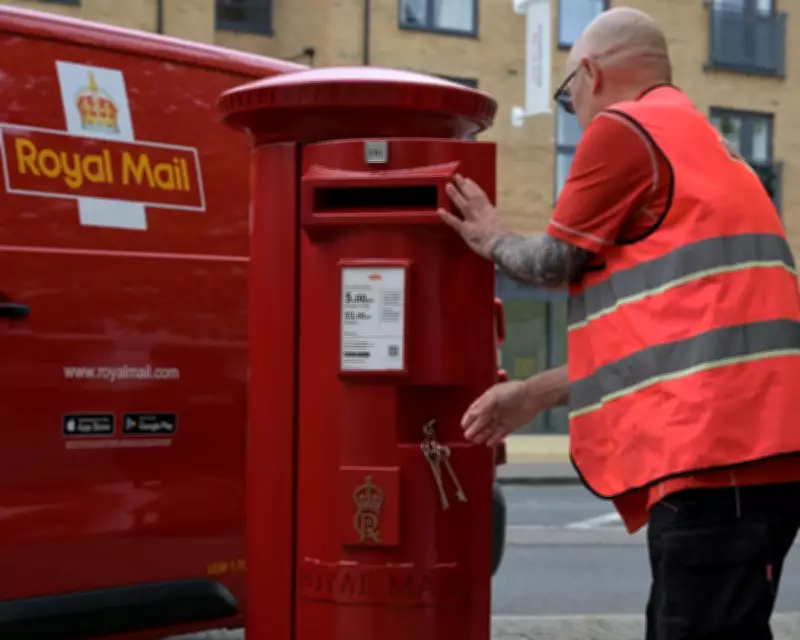
Royal Mail has come under intense criticism for announcing another significant increase in the cost of first- and second-class stamps, a move that coincides with what consumer advocates describe as a persistently failing service. From 7 April, the price of a first-class stamp will rise by 10p, or 6%, reaching £1.80, while the second-class stamp will increase by 4p, or 5%, to 91p. The postal service attributes these hikes to the continued escalation in delivery costs for every letter.
Justification and Backlash
Richard Travers, the managing director of letters at Royal Mail, stated that the company carefully considers price changes to balance affordability with rising operational expenses. He highlighted a dramatic decline in letter volumes, noting that 70% fewer letters are sent today compared to two decades ago, while the number of delivery addresses has grown by 4 million to 32 million across the UK. However, this rationale has been met with scepticism from consumer groups.
Anne Pardoe, head of policy at Citizens Advice, argued that stamp prices cannot be arbitrarily increased without clear justification, forcing consumers to pay more for a substandard service. She emphasised that people are being asked to dig deeper into their pockets despite ongoing reliability issues.

Regulatory Scrutiny and Historical Fines
The criticism is compounded by Royal Mail's recent regulatory troubles. In the autumn, Ofcom fined the company £21 million for failing to meet its annual delivery targets, marking the third time the 509-year-old postal service has been penalised by the watchdog. Pardoe pointed out that more than half a decade has passed since Royal Mail last achieved its delivery targets, leaving many uncertain about the timely arrival of important documents, such as medical appointments.
According to Citizens Advice, the new price increases mean that the cost of a first-class stamp has surged by 137% since 2020, with second-class stamps rising by 40% over the same period. This steep inflation in postal costs has raised concerns about affordability and value for money.
Changes to Service Obligations
Following last year's £3.6 billion takeover of Royal Mail's owner by Czech billionaire Daniel Křetínský, Ofcom granted permission to relax the universal service obligation (USO). This adjustment means Royal Mail is now only required to deliver second-class post on alternate weekdays, rather than six days a week. Additionally, Ofcom has lowered the headline delivery targets: from next month, the company must deliver 90% of first-class mail within one working day (down from 93%) and 95% of second-class mail within three days (reduced from 98.5%).
Pardoe warned that these changes risk exacerbating service quality issues, stating that higher prices must be accompanied by higher standards. She urged Ofcom not to passively approve further increases without demanding improved performance.
Recent Service Failures
Recent research by Citizens Advice revealed that Royal Mail delivered Christmas letters and parcels late to approximately 16 million people, underscoring the ongoing challenges in meeting delivery expectations. The company has previously cited factors such as bad weather and staff sickness for delays, but critics argue that systemic issues persist.
As Royal Mail implements these price hikes and adjusted service targets, the debate over the balance between cost and quality in the postal sector continues to intensify, with consumers and regulators calling for greater accountability and reliability.






