Oil Prices Fall as Iraq Resumes Exports via Turkey, Easing Supply Fears
Oil prices have dropped sharply this morning following reports that Iraq has signed a deal with Turkey to resume oil exports through its territory. This development provides an alternative route that bypasses the Strait of Hormuz, where shipping traffic has been severely disrupted by the ongoing Middle East conflict.
Details of the Export Deal and Market Impact
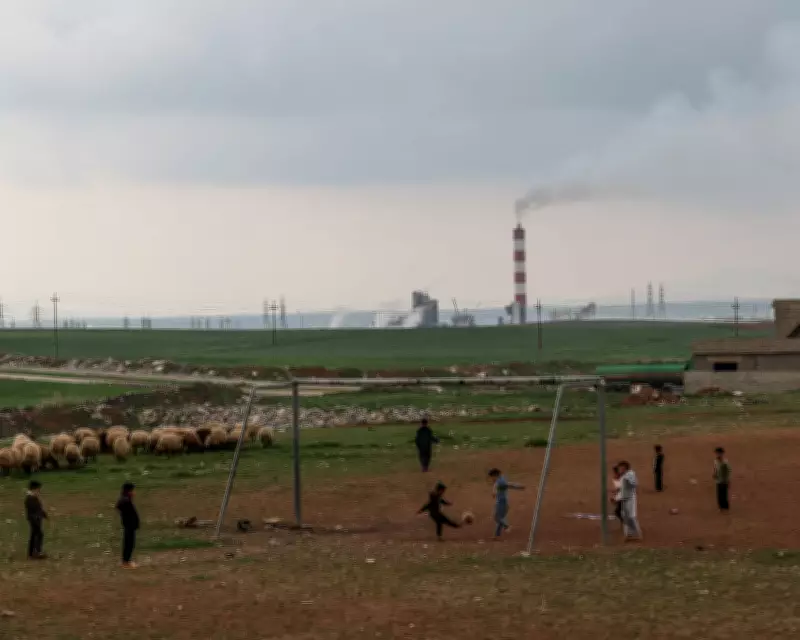
According to Reuters, crude exports from Iraq's Kirkuk fields have recommenced via a pipeline to Turkey's Ceyhan port. This rerouting offers a safer passage compared to navigating the tense waters of the Hormuz Strait. However, Bloomberg notes that this move will only partially alleviate global supply concerns, as Iraq's oil production has fallen to approximately 1.4 million barrels per day—about one-third of its pre-closure levels.
In early trading, Brent crude was down 1.55% at $101.80 per barrel, while US crude fell nearly 3% to $93.42 per barrel. Ipek Ozkardeskaya, a senior analyst at Swissquote, commented: "This morning, oil is sharply down on news that Iraq signed a deal to resume oil exports via Turkey, bypassing the Strait of Hormuz, while Saudi Arabia is also rerouting exports toward the Red Sea. The region is reorganizing, preparing for the possibility of a prolonged conflict."

Broader Market Reactions and Economic Outlook
Stock markets in Asia responded positively to the news, with Japan's Nikkei gaining 2.8% and South Korea's KOSPI jumping 5.7%. Investors are also hopeful that central bankers will adopt a cautious approach to the anticipated spike in inflation, potentially avoiding immediate interest rate hikes. Attention is now focused on the US Federal Reserve, which is widely expected to leave interest rates unchanged tonight, with Chair Jerome Powell scheduled to speak.
Jim Reid of Deutsche Bank observed: "There is also a bit more calm in markets at the moment and a small hint that there is a decoupling from the price of oil as the last 24 hours have seen more positive risk markets and lower yields."
Key Economic Events to Watch
The financial agenda for today includes several critical reports and decisions:
- 10:00 GMT: Eurozone inflation report for February
- 12:30 GMT: US producer prices inflation (PPI) report for February
- 13:45 GMT: Bank of Canada interest rate decision
- 18:00 GMT: US Federal Reserve interest rate decision
- 18:30 GMT: Federal Reserve press conference
While the resumption of Iraqi exports via Turkey offers some relief, analysts warn that restoring full oil flows will take time, and physical-market shortages could soon emerge, likely keeping upward pressure on prices. As alternative routes become more established, the initial price surge seen at the war's onset may gradually ease, but the situation remains fluid amid the broader geopolitical tensions.