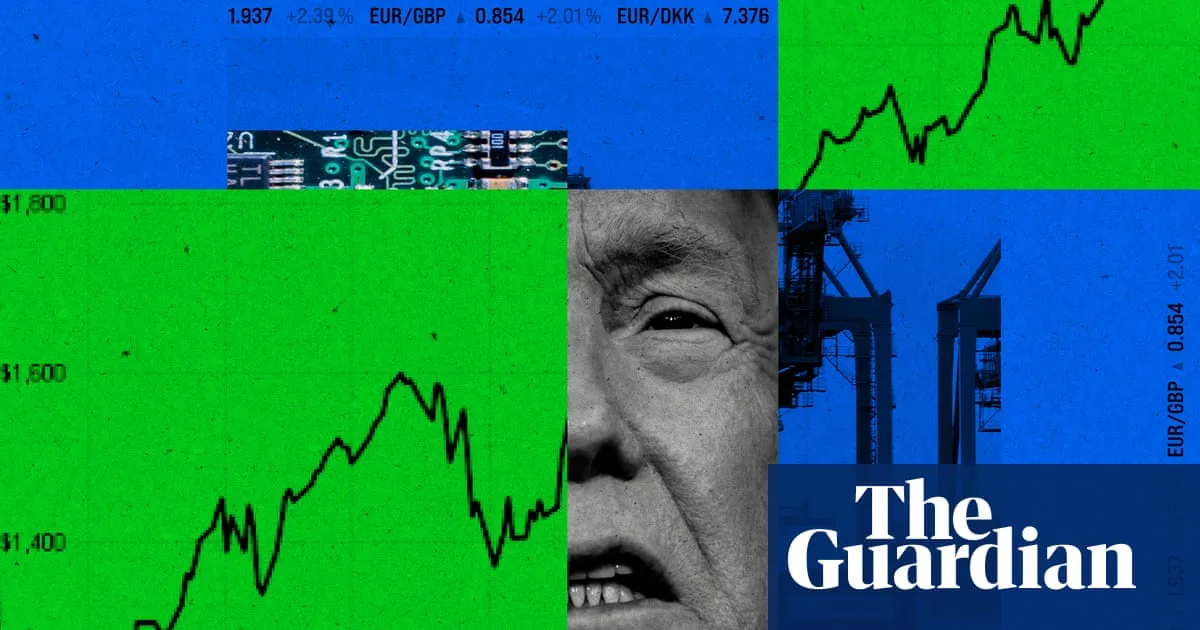
Nasdaq Enters Correction as Iran War Fears Fuel Market Turmoil
Nasdaq Enters Correction Amid Iran War Fears

US stock markets plunged dramatically at Friday's close, with the tech-heavy Nasdaq Composite index tumbling 2.2 percent. This sharp decline pushed the index into correction territory, defined as a drop of more than 10 percent from its recent peak, marking the first such occurrence since March 2025.

Escalating Conflict Drives Market Anxiety

The ongoing war between Iran and Israel, now in its third week, has intensified significantly. Hostilities escalated this week with Israel targeting Iranian energy infrastructure, prompting Iran to retaliate by bombing a major natural gas export facility in Qatar. This dangerous tit-for-tat has sent shockwaves through global financial markets.

Oil Price Volatility and Economic Concerns

Oil markets experienced extreme turbulence throughout the week. European benchmark prices surged over 13 percent at one point before settling with a 7.2 percent weekly gain to approximately $107 per barrel. US oil prices rose 2 percent to around $97.

Wide Pickt banner — collaborative shopping lists app for Telegram, phone mockup with grocery list

Investment strategist Ross Mayfield of Baird told CNBC, "If this is an escalation involving troops on the ground, then we're probably in for at least a couple more weeks of this sort of market of higher oil prices."

Tim Rezvan, Managing Director of Oil & Gas Equity Research at KeyBanc Capital Markets, warned the Daily Mail, "I think that if oil were to hold above $100 for the next three months, we'd likely see very challenging economic conditions in the US."

Federal Reserve Expresses Uncertainty

The Federal Reserve, meeting this week, acknowledged the economic uncertainty created by the oil price shock. Chair Jerome Powell stated, "Higher energy prices will push up overall inflation," but emphasized it remains "too soon" to determine the full impact on American households and businesses.

Investor Flight to Safety

As central bankers and market participants grow increasingly nervous about both the economy and the geopolitical situation, investors are rapidly moving capital into safer assets. This shift has particularly damaged high-growth technology stocks, which are seen as riskier investments during times of uncertainty.

Market expert Mohamed A. El-Erian noted on X.com, "Consensus is shifting, and rightly so: This third week of the war has fueled a shift from a short-term energy disruption to long-term structural damage."

Broader Market Weakness

The Nasdaq Composite, which tracks 100 leading stocks on the Nasdaq exchange including many prominent technology companies, has been disproportionately affected by this risk aversion. However, the broader market also shows significant weakness.

The Dow Jones Industrial Average now sits approximately 1.5 percent away from correction territory, while the S&P 500 needs to decline roughly 3 percent more to enter a correction. All three major US stock averages have now posted four consecutive weekly losses.

Historical Context and Previous Corrections

This market downturn echoes events from almost exactly one year ago, when US stocks tumbled into correction after the Trump administration previewed major tariff plans, raising fears of renewed inflation and supply chain disruptions.

Prior to the current 2025 dip, the Nasdaq experienced a sudden "flash correction" in August 2024. A weaker-than-expected jobs report sparked a brief global recession scare, causing the index to close more than 10 percent below its July peak on August 2, 2024. However, it recovered fully within weeks.

As the Iran-Israel conflict shows no signs of abating and oil prices remain elevated, market participants brace for continued volatility and economic headwinds in the coming weeks.

Pickt after-article banner — collaborative shopping lists app with family illustration




