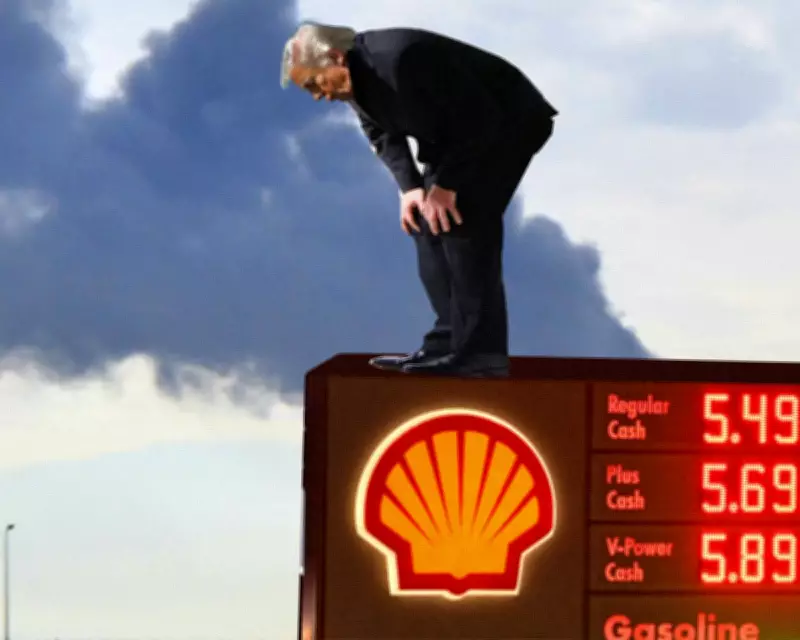
Markets Shift Focus from Trump to Tehran in Iran Conflict
President Donald Trump's signature strategy of issuing extreme threats followed by rapid retreats is losing its effectiveness in the ongoing Iran crisis. Financial markets, once highly reactive to his pronouncements, are now recognising that the ultimate authority to end the conflict may rest with Tehran, not the White House.
The "Trump Always Chickens Out" Pattern Stales
Early Monday morning witnessed dramatic market movements as oil prices surged and stock futures plummeted following Trump's threat to target Iran's civilian infrastructure. Within hours, the president reversed course, claiming productive talks with Iran were underway and postponing military action. This manoeuvre, dubbed "Trump Always Chickens Out" (Taco) by observers, initially calmed markets: Brent crude fell below $100 per barrel from over $112, and the S&P 500 jumped 1.5%.
While some might credit Trump for avoiding potential war crimes and economic turmoil, the subsequent events revealed the diminishing returns of his approach. By Tuesday, oil rebounded and stocks surrendered gains after Iranian officials denied Trump's claims of productive dialogue and launched missile strikes against Israel, Iraq, and American allies in the Gulf region.

Market Recognition of Waning Presidential Control
This episode marks a broader trend where markets are increasingly sceptical of Trump's ability to dictate outcomes. On March 9th, another Taco-style attempt to curb oil prices by declaring the war "very complete" provided only temporary market relief before declines resumed. Similarly, during last year's tariff crises, initial market panic gave way to relative calm as the economic impact appeared muted.
The current landscape presents Trump with conflicting objectives: ending the war and securing oil shipments through the Strait of Hormuz, which Iran now controls. With midterm elections approaching, low approval ratings, and public opposition to the war growing alongside rising gas prices, his leverage is constrained.
Iran's Strategic Advantages and Market Implications
In contrast, Iran possesses significant strategic patience. Despite leadership losses and military devastation, the regime remains firmly in control and capable of imposing severe economic costs by restricting the vital Hormuz Strait, which handles 12.5 million barrels of oil and 11.5 billion cubic feet of gas daily. Tehran's minimal incentive to back down is reinforced by its reported demands for sovereignty over the strait and reparations for damages.
As Press TV, Iran's state broadcaster, quoted a senior official: "Iran will end the war when it decides to do so and when its own conditions are met." Markets are internalising this reality. The S&P 500's 1.78% drop on Thursday to a yearly low, alongside Brent crude hovering around $108, reflects investor anxiety that Iran has emerged more resolute and disruptive despite earlier setbacks.
Trump's threats against civilian targets, potentially constituting war crimes, underscore his limited options—either indicating all military targets are already degraded or revealing an inability to neutralise them. Ultimately, financial markets are adjusting to a new equilibrium where Tehran's decisions, not presidential pronouncements, will likely determine the conflict's duration and economic impact.