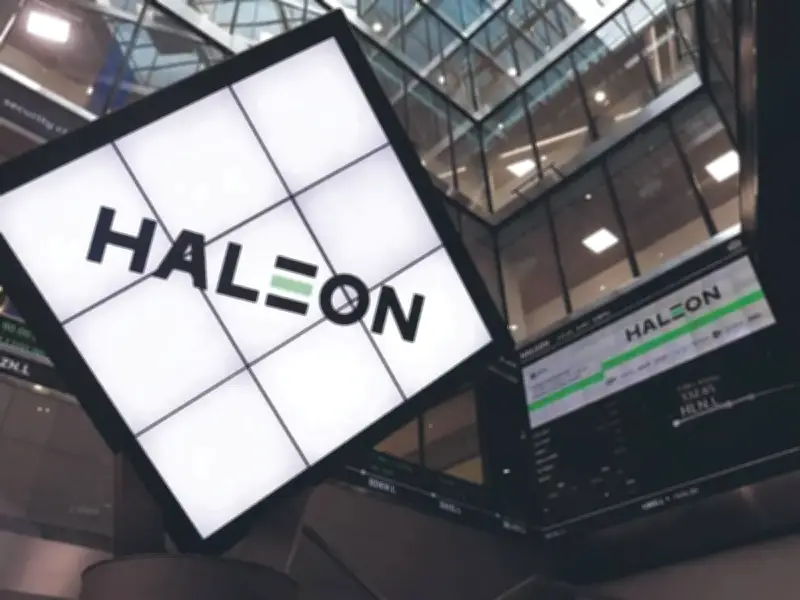
Shares in Haleon slumped as much as 15% in morning trading after the consumer healthcare group cut its revenue forecast, blaming sluggish demand for cough, cold and flu remedies.
The FTSE 100 company fell to 318p. Haleon had previously expected revenue growth of between three and five per cent, but on Thursday scaled back this target to 2.5 per cent.
Soft flu season hits sales
The Surrey-headquartered group has issued repeated warnings throughout the year that a subdued cold and flu season is weighing on sales, with its share price having fallen more than 10 per cent since the start of the year.
Weakened demand for flu treatments dragged Haleon's sales growth in North America from 3.1 to 2.5 per cent, although stronger demand for toothpaste brand Sensodyne provided a welcome boost in this market.
Regional challenges
Haleon, which demerged from pharmaceutical behemoth GSK in 2022, recorded a revenue decline of 0.6 per cent across Europe, driven by poor sales of Centrum, its multivitamin supplement brand, which the company attributed to "weaker category trends", as reported by City AM.
The group was compelled to halt Centrum shipments into China after regulatory changes surrounding raw materials disrupted imports of the over-the-counter vitamins. Despite this setback, sales in China still managed to grow by mid-single digits.
Haleon reported only low-single digit growth across south-east Asia and Taiwan, citing the "softer consumer backdrop" resulting from the ongoing conflict in the Middle East.
CEO and analyst reaction
Chief executive Brian McNamara said: "Our third quarter organic revenue growth of 2.6 per cent was below our expectations as we navigated softness across some of our categories including weaker cough, cold and flu consumption.
"We are clear on where we need to improve and we are taking action to deliver stronger performance despite challenging markets."
James Edwardes Jones, an analyst at stockbroker RBC, said Haleon's third-quarter results "weren't great" while noting the reduction to revenue guidance was "worse".
"True, profit guidance has been maintained, but following Reckitt's results a couple of days ago, consumer health companies have claimed a notably unenviable position amongst the stocks we cover," he added.
Earlier this week, Reckitt, the FTSE 100 rival to Haleon and owner of Dettol and Durex, slashed its profit guidance after manufacturing difficulties affected output of its US disinfectant brand, Lysol.
Reckitt's share price has shed more than 15 per cent since the start of the year, although it edged up by more than one per cent in early trading on Thursday.