

FTSE 100's Modest Retreat Masks Inflationary Risks from Energy Shock
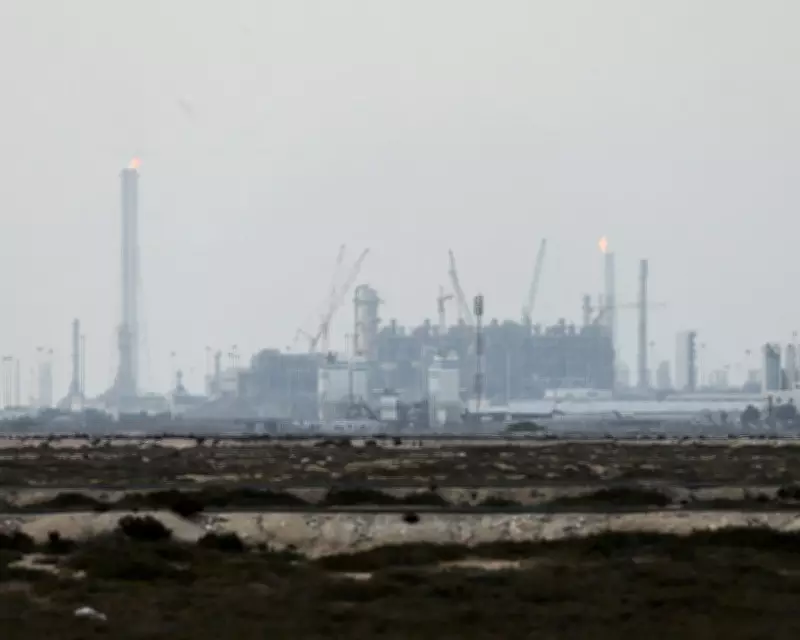
The FTSE 100 index experienced a sharp reversal on Thursday, briefly dipping below the symbolic 10,000 mark before closing at 10,063, down 2.3% for the day. This decline followed an attack by Iran on Qatar's Ras Laffan industrial complex, a critical facility that supplies approximately one-fifth of the world's liquefied natural gas. The incident marks a significant escalation in regional tensions and has injected fresh volatility into global markets.
Investor Complacency or Calculated Resilience?
Market reactions to the strike have been interpreted in two contrasting ways. Some analysts view the Footsie's pullback from its recent peak as a necessary and severe response to the geopolitical turmoil. Others, however, argue that the index's flat year-to-date performance, following a robust 20% gain in 2025, indicates that investors may be underestimating the potential inflationary impact if the conflict persists.
Nicolai Tangen, head of Norway's $2 trillion sovereign wealth fund, recently expressed surprise at the market's resilience and complacency. "Markets are very resilient and complacent, and we are a bit surprised about that," he remarked, highlighting a disconnect between current events and investor sentiment.

Corporate Flexibility and Sectoral Winners
One explanation for this resilience lies in the adaptability of companies themselves. Firms have learned from recent shocks, such as the COVID-19 pandemic and Russia's invasion of Ukraine, to build greater flexibility into their supply chains. They can implement cost-cutting measures and attempt to pass on increased input prices to consumers. Additionally, the FTSE 100, as a size-weighted index, includes major constituents like Shell and BP, which have benefited from higher energy prices, with gains of 24% and 31% respectively since the new year.
Energy Price Forecasts and Inflationary Pressures
Despite the attack on Ras Laffan, many investors maintain faith that energy prices will soon stabilise. Bank of America's latest poll of fund managers reveals that only 11% expect Brent crude to exceed $90 per barrel by year-end, with an average forecast of just $76. However, this consensus leaves ample room for disruption if the energy price shock intensifies.
David Rees, head of global economics at Schroders, warns that current oil and gas prices could add around 1% to headline inflation in the coming months. Furthermore, potential shortages of fertilisers might drive food inflation higher later in the year, compounding economic pressures.
Central Bank Dilemma and Future Rate Hikes
In this uncertain environment, the Bank of England's decision to hold interest rates was widely expected. Policymakers, like investors, lack clarity on the war's duration and future energy costs. Governor Andrew Bailey's messaging reflected this ambiguity, stating that the Bank stands "ready to act as necessary" on rates to control inflation, while cautioning that "markets are getting ahead of themselves in assuming rate rises."
Nevertheless, if oil prices remain at $100 per barrel for another month, higher interest rates are likely to become the prevailing bet as central banks reassess inflation risks more aggressively.






