
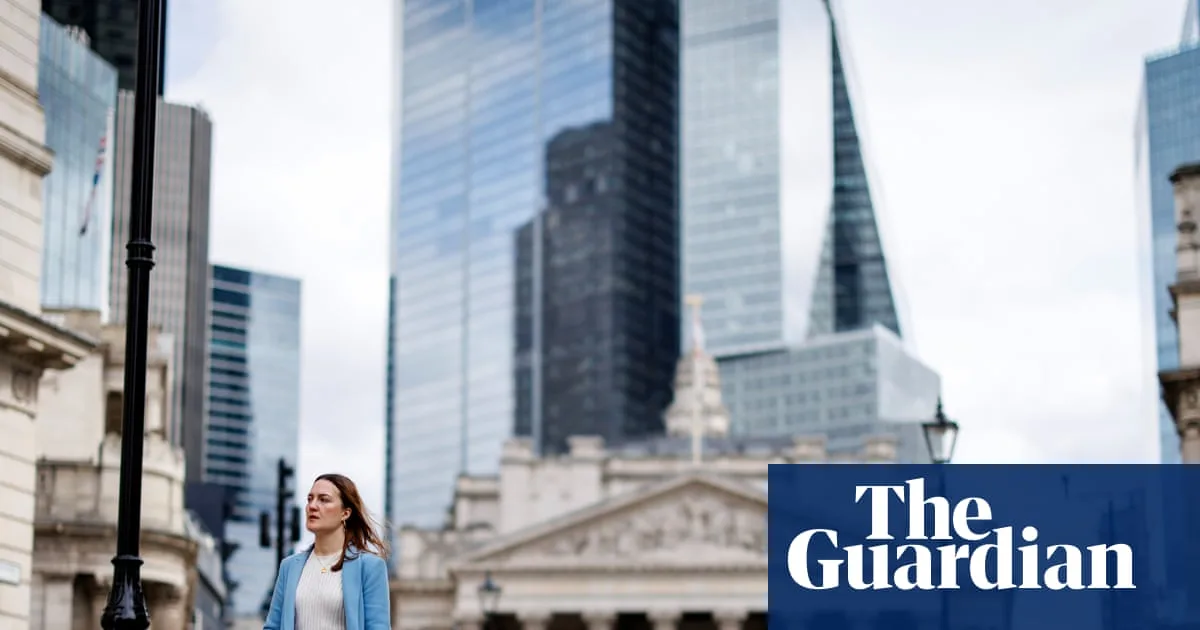
Britain's blue-chip FTSE 100 index surged past the 9,000-point mark for the first time on Tuesday, reaching an intraday high of 9,016.98 points before closing at 8,938 points. The index has gained more than 10% in 2025, driven by investors shifting away from US stocks amid concerns over Donald Trump's trade policies.
Analysts credited the UK's trade deal with the US, which guarantees a 10% tariff with exemptions for certain industries, as a key advantage. AJ Bell's Dan Coatsworth said: 'With the UK having already reached an agreement... the country is now seen to have an advantage in terms of trade relations.' However, a rise in US inflation dampened hopes of early interest rate cuts, pulling the index lower later in the session.
The FTSE 100's rally has been led by precious metals producer Fresnillo, up over 140% on surging gold and silver prices. Defence stocks also soared, with Babcock International rising 115% and BAE Systems gaining 65% on higher military spending expectations. Rolls-Royce jumped 75% following its turnaround plan.
John Moore of RBC Brewin Dolphin highlighted 'strong earnings momentum in the banking and defence sectors' and the UK's 'relative political stability' as factors supporting the index. Lloyds Banking Group gained 38%, Next rose 28%, and St James's Place climbed 40%.
Ben Russon of Martin Currie argued the FTSE 100's rally showcases the strength of the UK market, with international investors taking notice. He noted: 'With the pound holding steady and UK equities looking attractively priced versus global peers, private equity is ramping up deal activity.'




