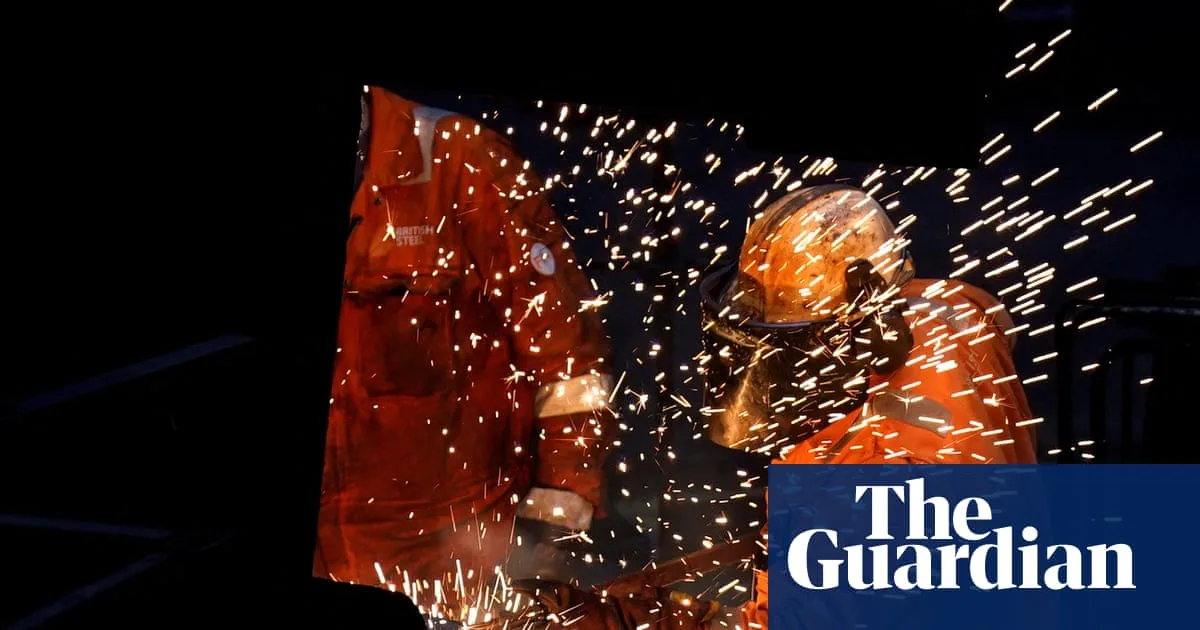
The future of British Steel's Scunthorpe plant remains unclear, with the UK government now spending over £1.2 million a day to keep the site operational. The cost, which has already reached £359 million, is expected to rise further as no long-term solution has been found for the 4,000 workers and the blast furnaces that produce steel for infrastructure projects.
The crisis began last year when Chinese owner Jingye announced plans to shut the steelworks. After rejecting government support for raw materials, the UK stepped in with emergency legislation to take control. However, Jingye remains the legal owner and is reportedly seeking up to £1 billion in compensation to relinquish ownership, a sum many observers consider unlikely for a lossmaking plant.
The UK steel industry has declined sharply, with production falling from 28 million tonnes in 1970 to just 2.5 million tonnes last year, the lowest since the Victorian era. The government is also managing the collapse of Speciality Steel UK (SSUK) in South Yorkshire, and officials have expressed a preference for a single buyer for both British Steel and SSUK.
One proposed solution involves shutting the blast furnaces at Scunthorpe and building electric arc furnaces (EAFs), which are cleaner and more efficient. SSUK could supply steel to Scunthorpe's rolling mills after investment in new casting equipment. However, unions oppose this plan, warning of job losses in an area where Reform UK won the mayoralty last year.
Industry experts note that transitioning to electric steelmaking would help British Steel meet growing demand for low-carbon construction materials. But the government faces a delicate balancing act, as expropriating Jingye could deter foreign investors and draw diplomatic criticism. Talks during Keir Starmer's recent visit to Beijing showed little progress.