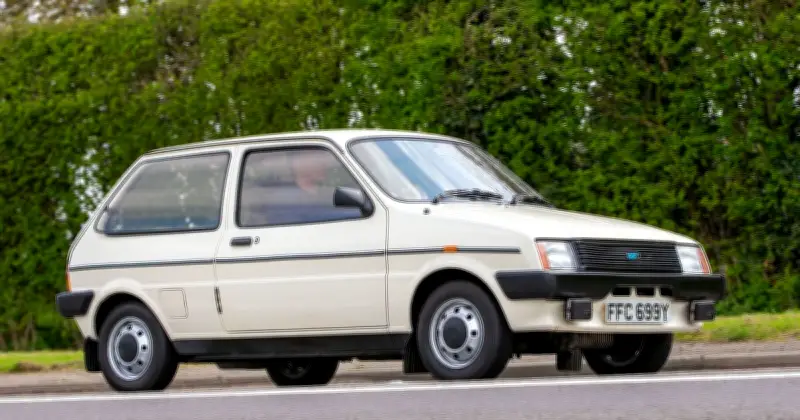
The Austin Metro is one of the most iconic cars of the 1980s, a quintessential British classic that transformed the supermini sector and helped rescue one of the UK's largest car manufacturers. Over 45 years later, its influence remains visible in modern motoring.
A Lifeline for British Leyland
British Leyland was struggling in the 1970s, teetering on collapse in the middle of the decade due to falling sales and underinvestment. The Government stepped in with a £50 million loan guarantee in 1974, followed by large state funding promised in 1975. A collapse would have been catastrophic, as the company employed around 170,000 people directly, with many more working in the supply chain.
The Austin Metro hit the roads in October 1980 and was an instant hit. Demand immediately outpaced production, with thousands of models leaving forecourts every week. The Metro quickly captured around 9% of the entire UK car market.
Record Sales and Lasting Legacy
The car's spacious interior, nimble handling and low running costs gripped the nation. The peak came in 1983, with over 130,000 registrations in a single year. The model continued to be Britain's best-selling supermini until 1984. By the end of its production run in the mid-1990s, over two million Metros had been sold.
The Metro was an early adopter of the 60/40 split-folding rear seats still fitted in many superminis today. Its tall, boxy hatchback shell with large windows maximised visibility, and it was equipped with advanced dashboard warning lights, rare for a small-budget car at the time. Other tech options included a trip computer, electric windows, cruise control and air conditioning.
The Metro's success not only saved Leyland but also pushed European rivals to raise their game. As a pioneer of the supermini sector, its influence can still be seen today, and it remains a well-loved 1980s classic that should never be forgotten.