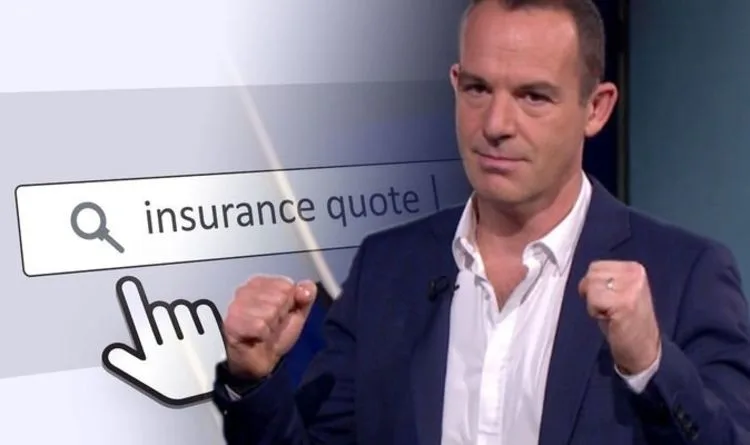
Martin Lewis Reveals 21-Day Rule to Slash Car Insurance Costs
Martin Lewis: 21-Day Rule Cuts Car Insurance Costs

Martin Lewis Advises Motorists on 21-Day Rule to Reduce Car Insurance Bills

Financial guru Martin Lewis has issued a crucial tip for drivers aiming to lower their expenses as the cost of vehicle ownership escalates. His advice comes amid a surge in oil and gas prices, driven by US-Israeli military strikes in Iran, which threatens to increase household energy bills and push up petrol station costs.

Fuel Prices Hit Near Three-Year Highs

Oil has now reached $117 per barrel, nearing the $119 peak observed after Russia's invasion of Ukraine. This week, fuel prices have climbed to their highest levels in almost three years, with increases ranging from 9.8p to 20.3p per litre. According to the RAC, drivers are currently paying 142.62p per litre for unleaded petrol and 162.66p per litre for diesel.

In a positive note for motorists, car insurance premiums have fallen over the past two years. However, Martin Lewis highlighted a concerning trend on ITV's This Morning, where he addressed how to navigate rising insurance costs effectively.

Wide Pickt banner — collaborative shopping lists app for Telegram, phone mockup with grocery list

Unfair Premium Hikes After No-Fault Accidents

Host Cat Deeley read a viewer's query about a 21-year-old granddaughter whose car insurance doubled from £68 to £178 per month after a no-fault accident where her car was written off and she was injured. The other driver admitted responsibility, and while the insurance claim was settled, a personal injury claim is ongoing.

Mr Lewis explained the rationale behind the increase, stating, "The why is that insurance quotes work on statistical risk, actuarial risk. So they say, what is the risk that this person will make another claim?" He added that even no-fault accidents can lead to higher premiums because insurers view such individuals as statistically more likely to be involved in future accidents.

He described this practice as incredibly unfair but noted it is standard in the insurance industry.

The 21 to 28-Day Sweet Spot for Savings

To combat these hikes, Martin Lewis recommended a proactive approach. He urged drivers not to simply renew their policies and instead shop around. "You want to be going to get renewal quotes from a combination of comparison sites about 21 to 28 days before your renewal quote, that's the sweet spot and that can bring your price down," he advised.

He emphasized that other insurers may not assess risk in the same way, potentially offering much cheaper policies. This strategy is particularly relevant as car insurance prices are generally decreasing, so drivers should expect lower costs if no incidents have occurred.

Insurance Premium Trends and Repair Costs

According to consumer champion Which?, car insurance premiums rose for the first time in 12 months as of February, based on data from the Association of British Insurers. The typical premium between October and December 2025 was £559, an £8 increase from the previous quarter but still £62 lower than the same period in 2024.

Despite this recent uptick, motorists are paying less than in early 2023, when the average annual policy cost £635. Elevated repair costs, driven by advanced technology like built-in sensors and cameras, continue to keep premiums high.

In summary, Martin Lewis's guidance offers a practical solution for drivers facing unfair insurance increases, leveraging the 21-day rule to secure better deals and mitigate the financial strain of rising motoring expenses.

Pickt after-article banner — collaborative shopping lists app with family illustration