

Insurers to Challenge Billion-Dollar Ruling on Jets Trapped in Russia Post-Invasion
In a landmark development for London's insurance sector, major insurers including Chubb, Fidelis, and Lloyd's have secured permission to appeal a High Court ruling that awarded AerCap, the world's largest aircraft lessor, over $1 billion for jets stranded in Russia following the Ukraine invasion. This dispute stands as one of the most significant insurance battles in the city's history, with billions at stake.
High Court Decision and Appeal Details
The London High Court ruled in June that AerCap could recover just over $1 billion from its "war risks insurers," a figure substantially lower than the approximately $2 billion the lessor had sought under a broader "all-risks" clause. The initial judgment largely favoured leasing companies in this multibillion-dollar legal conflict, setting a precedent for similar cases. Now, Chubb, Fidelis, and Lloyd's will take their case to the Court of Appeal, with hearings expected to span up to five days, highlighting the complexity and high stakes involved.
Background of the Dispute and Settlements
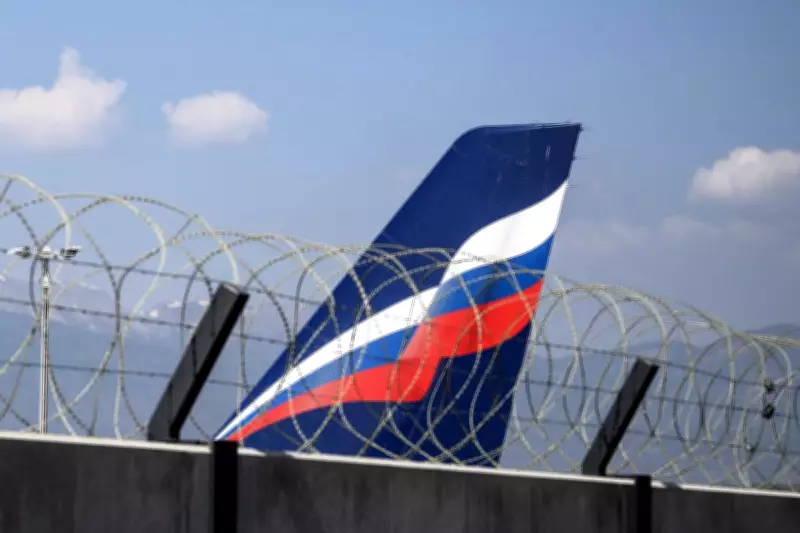
The lawsuit originally involved nearly 150 jets and associated engines, once valued at up to $4.7 billion. However, various settlements have reduced its scope, including one on the first day of the trial in October 2024. The aircraft became immobilized in Russia after Western nations imposed sanctions in response to the invasion of Ukraine. AerCap, alongside other lessors such as Dubai Aerospace Enterprise (DAE), Merx Aviation, KDAC Aviation Finance, Falcon, and Genesis, led claims against a consortium of insurers, including AIG, Lloyd's, Chubb, and Swiss Re. Notably, KDAC settled all its claims during the trial, while AerCap, DAE, and other lessors have periodically disclosed their own settlements, reflecting the ongoing negotiations in this high-profile case.

Implications for the Insurance and Aviation Industries
This appeal underscores the broader implications for global insurance and aviation sectors, as it tests the boundaries of war risk and all-risks policies in the context of geopolitical conflicts. The outcome could influence future disputes involving stranded assets and sanctions, potentially reshaping how insurers and lessors navigate such crises. With the hearing set to proceed, stakeholders across industries are closely monitoring this case for its potential to set new legal precedents and financial benchmarks.






