

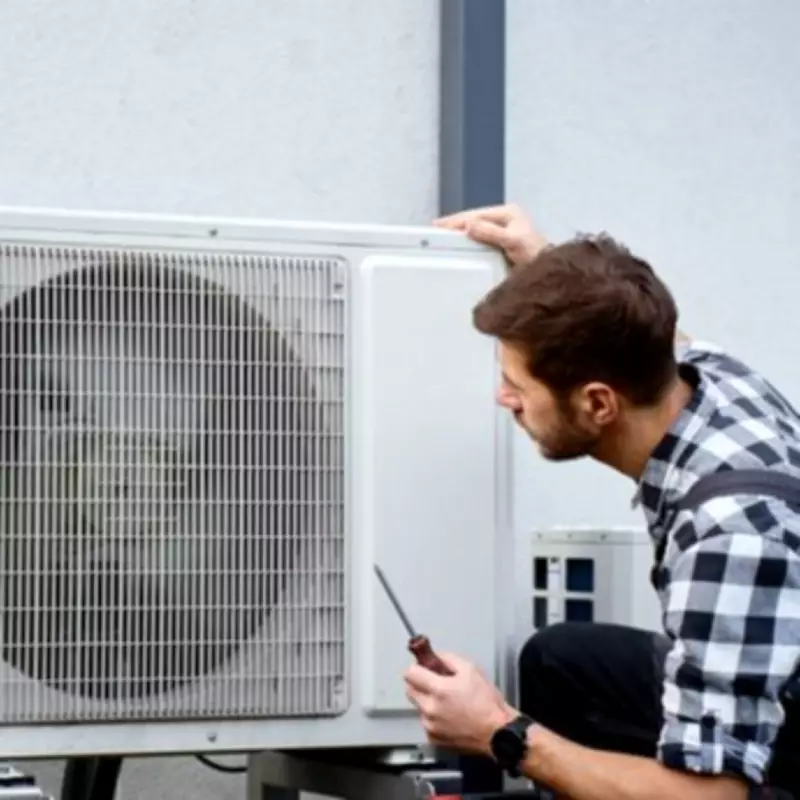
As global energy prices continue to escalate, driven by international tensions and market volatility, UK households are facing unprecedented heating costs. This financial pressure is prompting a significant shift towards renewable energy solutions, with many homeowners considering installations such as solar panels and heat pumps. However, a comprehensive new study highlights a critical barrier: insurance coverage for these green upgrades is often unclear, leaving consumers vulnerable to potential gaps in protection.
Defaqto Study Exposes Coverage Gaps
Independent financial product analyst Defaqto has conducted an in-depth review of UK home insurance offerings, revealing that while the market is gradually adapting to accommodate greener technologies, substantial ambiguity persists. The research, based on data from the Defaqto Matrix as of March 17, 2026, underscores that approximately 1.5 million homes in the UK rely on heating oil rather than the gas grid, making them especially susceptible to fluctuations in global oil prices. For these households, the move to renewables is not just an environmental choice but a financial necessity.
Solar Panels: Some Clarity, but Not Universal
Defaqto's findings indicate that solar panels are relatively well-integrated into insurance products, with 78% of home buildings insurance policies explicitly including them within the definition of buildings. However, a concerning 22% of products fail to make any explicit reference, creating uncertainty for homeowners who may assume coverage without verification.

Heat Pumps: A Landscape of Confusion
The situation for ground source heat pumps is markedly less consistent. Only 40% of insurance products clearly affirm that cover is provided, while 59% do not specify inclusion or exclusion, leaving policyholders in a grey area. A small fraction, around 1%, explicitly state that heat pumps are not covered. In many cases, insurers may rely on vague definitions like 'fixtures and fittings' to encompass these systems, but without clear wording, this approach can lead to disputes and confusion at the claims stage.
Expert Insights and Recommendations
Angela Pilley, a home insurance expert at Defaqto, emphasised the importance of due diligence. "As more homeowners look to invest in renewable energy solutions, it's essential they understand how these changes impact their insurance cover," she said. "While solar panels are widely recognised within building insurance products, the position for heat pumps is far less consistent. Where policy documents are unclear, homeowners should not assume cover is included. It's always worth checking directly with your insurer to avoid any unexpected issues."
Additional Coverage Concerns
The study also uncovered uncertainty in home emergency and boiler breakdown cover. Despite being designed to protect against heating failures, these products often lag behind newer technologies. Defaqto found that 39% of such products do not clearly specify whether heat pumps are covered, 52% explicitly exclude them, and only 9% confirm cover, typically on a reimbursement basis that requires upfront payment by the customer.
Oil Heating and Insurance Limits
For households still dependent on oil heating, coverage for loss of oil remains a crucial consideration. Currently, 91% of home contents insurance products include this cover, either as standard (89%) or as an optional add-on (2%). However, the extent of coverage varies significantly:
- 10% of products offer no cover at all.
- 6% provide less than £1,000.
- 44% offer between £1,000 and £2,499.
- 7% range from £2,500 to £4,999.
- 33% provide £5,000 or more.
With the escalating cost of heating oil, lower limits may prove insufficient to compensate for losses due to leaks or theft, highlighting the need for careful policy review.
Practical Advice for Homeowners
To navigate these complexities, homeowners are advised to take proactive steps:

- Ensure explicit inclusion: Verify that solar panels or heat pumps are explicitly mentioned in your buildings insurance policy.
- Reassess property value: After installing renewable technology, reassess your buildings sum insured to reflect the increased value of your property.
- Check emergency cover: Confirm whether your home emergency or breakdown cover includes heat pumps, as many products have not kept pace with newer technologies.
- Review oil coverage: If you depend on oil heating, scrutinise the limits for loss of oil cover to ensure they are adequate.
- Consult your insurer: If uncertain about how upgrades impact your policy, directly consult your insurer for clarification.
As the UK transitions towards a greener energy future, this research serves as a timely reminder that insurance frameworks must evolve in tandem with technological advancements. Homeowners investing in renewable solutions must remain vigilant to safeguard their financial interests against potential coverage shortfalls.





