The UK's largest insurer has reported a rise in subsidence claims following an extremely hot summer that left households across the country dealing with the effects of the growing climate crisis.
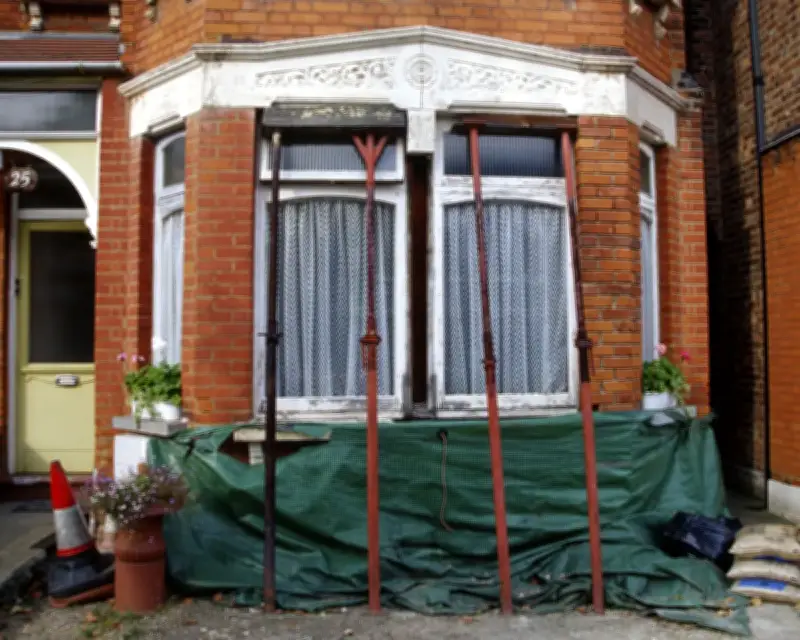
Aviva said on Friday it had experienced the jump amid an industry-wide surge in households filing subsidence claims to cover repairs, which typically address cracks, sloping floors, and off-kilter doors and windows.
Record summers drive claims
The rise follows two record hot summers in the UK; August this year was the joint hottest month ever recorded around the world. Drier summers cause the ground under houses to shrink, undermining a property's foundations. The ground then expands in wetter winters, which can further damage homes.
Aviva experienced a "peak subsidence period" between July and September, with claims continuing into October, chief executive Amanda Blanc told Bloomberg in an interview on Friday. Aviva would not provide further detail on the scale of the increase in claims.
Industry-wide impact
Blanc said homeowners could reduce the risk of subsidence by keeping a close eye on drains, pipes and gutters, and fixing any leaks that could affect the ground under homes. "It's about managing trees and plumbing," she said.
Several fellow insurers have also seen a rise in claims in recent months. Hastings Direct said it received record subsidence claims in August, up 140% from a year earlier. Axa, one of the UK's biggest home insurers, has said it had been a "surge year" for subsidence.
Record claim values and future risks
The value of claims has also hit a record high. The average subsidence claim in the UK reached £20,000 between April and June, more than £2,000 higher than a year earlier, according to the Association of British Insurers. Insurers paid out £72m for domestic subsidence claims, compared with £60m in the same period last year.
Millions of homes are at risk of subsidence because of the worsening climate crisis, according to the British Geological Survey, which estimates that up to 11% of UK homes – more than 4.2m houses – could be at risk by 2070. Older properties with shallow foundations and those built on clay-rich soil are facing the biggest threat, with areas including London, Essex, Kent and areas around Oxford among the most vulnerable.
Despite the rise in subsidence claims, Blanc said Aviva was in good health, having reported a 19% rise in general insurance premiums to £11.8bn in the third quarter. "Aviva is in great shape," she said in a statement released alongside the company's financial results. "Our performance has been excellent in the first nine months of 2026, demonstrating once again the benefits of scale across our diversified business. We continue to deliver strong, profitable growth, particularly in the capital-light areas of general insurance and wealth."