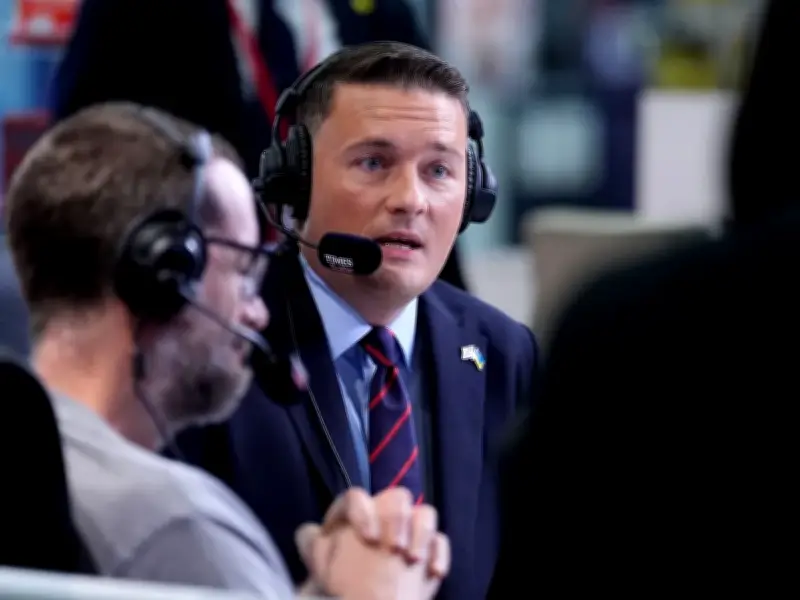
Defence Secretary Wes Streeting has said Labour are 'committed' to the pensions triple lock, which is expected to stay in place until the next general election.
Asked whether it was "right to look at the triple lock" to support defence and social care spending, the Defence Secretary told Sky News: "The manifesto was clear on this – we're committed to the triple lock."
"And (Prime Minister) Andy Burnham has been clear that we are standing by our manifesto. So, I hope that's clear."
Triple lock guarantees and projections
The triple lock guarantees the rate of the state pension rises every year in line with whichever is highest out of inflation, wage growth or 2.5%. However, this can – and frequently does – result in costly above-inflation increases.
That appears set to be the case once again in April 2027, based on current projections. The latest wage growth figures of 4.1% sit above inflation. The rise to the state pension earlier this year was also based on wages. The full state pension is on course to climb by over £500 next year.
The triple lock is enormously expensive for the nation as increases are secured annually, as the name implies. Even if the amount surges in one particular year, it would still be required to rise again the following year.
It essentially leaves any government held hostage to pension increases and will continue with the next election not due until 2029 unless the Prime Minister calls an early general election - which he has been rumoured to do. Calls are growing ever louder for the triple lock to be scrapped, but any decision to do so would represent a bold political move.
Social care pledge and funding
Wes Streeting's statement comes after Prime Minister Andy Burnham said he is prepared to take unpopular choices and hike taxes to fund an NHS-style social care system. The Prime Minister blamed the "cowardice" of previous generations of politicians for failing to "grasp the nettle" of reforming the system in England.
He said nothing was off the table to pay for the reforms, which would be put to the public at the next general election. The Prime Minister is constrained by Labour's current manifesto commitments not to hike income tax, VAT or national insurance for workers.
He told the BBC's Sunday With Laura Kuenssberg: "People are paying care charges now. They are spending tens of thousands of pounds from their savings, sometimes losing their homes. That is what's happening at the moment. So to suggest there isn't a cost to people at this moment in time, there's a huge cost.
"Social care in England is as unfair as American healthcare, where the most vulnerable in society can lose everything, they can be wiped out, not just by the condition that they have, but wiped out financially."
Next steps and reviews
Mr Burnham will set out the "broad direction" of his social care plans in his Labour Party conference speech in Liverpool on Tuesday. Baroness Louise Casey is leading a review of social care and Mr Burnham is committed to cross-party talks to try to find a consensus.
Mr Burnham said: "We have dementia taxes right now and people can lose everything they've worked for paying those taxes. So the idea that there isn't already a cost is just wrong. It's just making that cost fairer and spreading it across across the population."
Asked if a levy on estates was one option he was considering, he said: "Nothing is off the table at this moment in time. Now that doesn't mean that I'm going straight back to the proposal that I had in 2010."
In a sign that some tax rises would be required, Mr Burnham said Labour's manifesto promises made it "hard to do in this Parliament" so he would put his proposals to the public in the next election expected in 2029. "I am prepared to put myself in that position, recognising that it might be difficult or unpopular with some," he said.
A care service which, like the NHS, is free at the point of use could cost up to £18.5 billion a year in 2035/6, the Health Foundation think tank has estimated. Mr Burnham rejected that assessment and pointed out there would be savings to the NHS from people who no longer needed emergency treatment or a hospital bed because they had better social care provision.