
Grocery price inflation in UK supermarkets remains above 17%, with the gap between branded and own-label goods widening as shoppers increasingly turn to budget ranges. According to data from analysts Kantar, supermarket inflation dipped slightly to 17.3% in the four weeks to 16 April, down from 17.5% a month earlier, but experts caution it is too early to declare a peak.
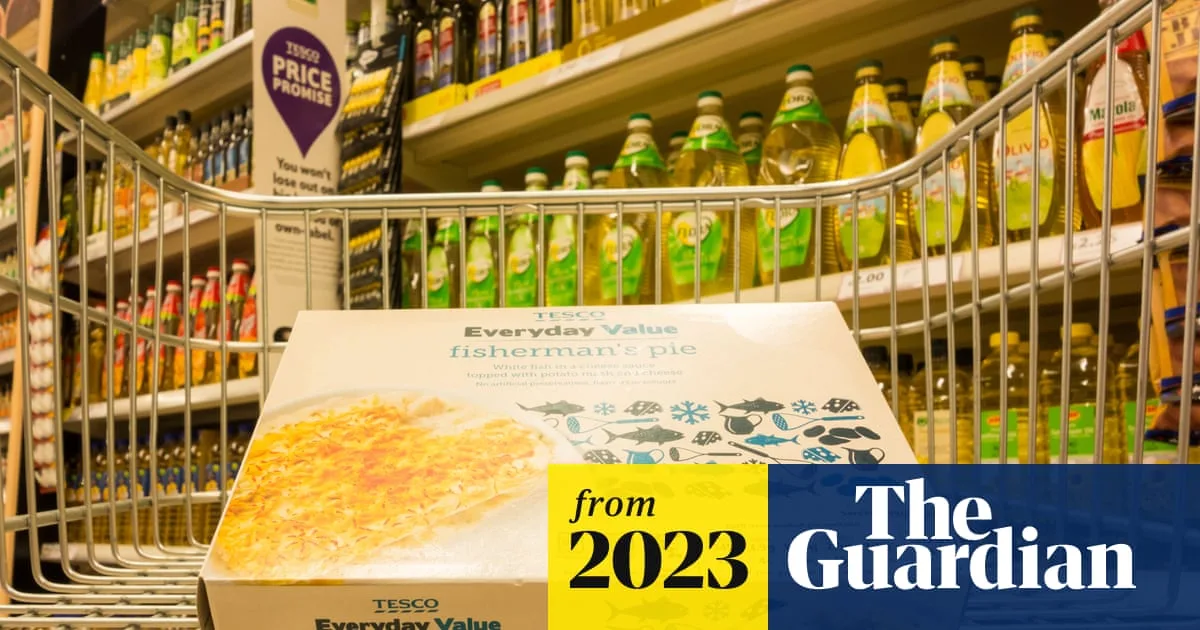
Sales of the cheapest value own-label lines surged 46% year-on-year, appearing in nearly one in five shopping baskets. This compares with a 13.5% rise for total own-label products and just 4.4% for branded items, indicating that branded sales volumes have fallen as price rises outpace inflation.
Fraser McKevitt, head of retail and consumer insight at Kantar, said: 'The latest drop in grocery price inflation will be welcome news for shoppers but it's too early to call the top. We've been here before when the rate fell at the end of 2022, only for it to rise again over the first quarter of this year.' He added that falling inflation does not mean lower prices, only that prices are not increasing as quickly.
The cost-of-living squeeze continues to be led by price rises for staples such as eggs, milk, and cheese. Discounters Aldi and Lidl reached record market shares of 10.1% and 7.6% respectively in the 12 weeks to 16 April, with Lidl's sales up 25.1% and Aldi's up 25.0%. McKevitt noted that consumers are visiting at least three major retailers each month on average, benefiting discounters.
Total grocery market sales growth of 9.4% lags well behind inflation, reflecting shoppers' efforts to cut costs. Several supermarket bosses have predicted inflation will ease in the second half of the year as freight and energy costs decline, though some commodities continue to rise.




