
Inflation in Australia slowed to 4.2% in the year to April, driven by the government's fuel excise relief which lowered petrol prices. However, economists warn that the Reserve Bank of Australia (RBA) may still need to raise interest rates later this year to combat persistent price pressures.
Fuel prices fell by 7% in April, retracing some of the 33% surge in March caused by the US-Israel attack on Iran that disrupted Middle Eastern shipping routes. Regular unleaded averaged $2.06 per litre, down from $2.28 in March, while diesel rose from $2.56 to $2.92 per litre. The ABS noted fuel prices were still 24% higher than in February.
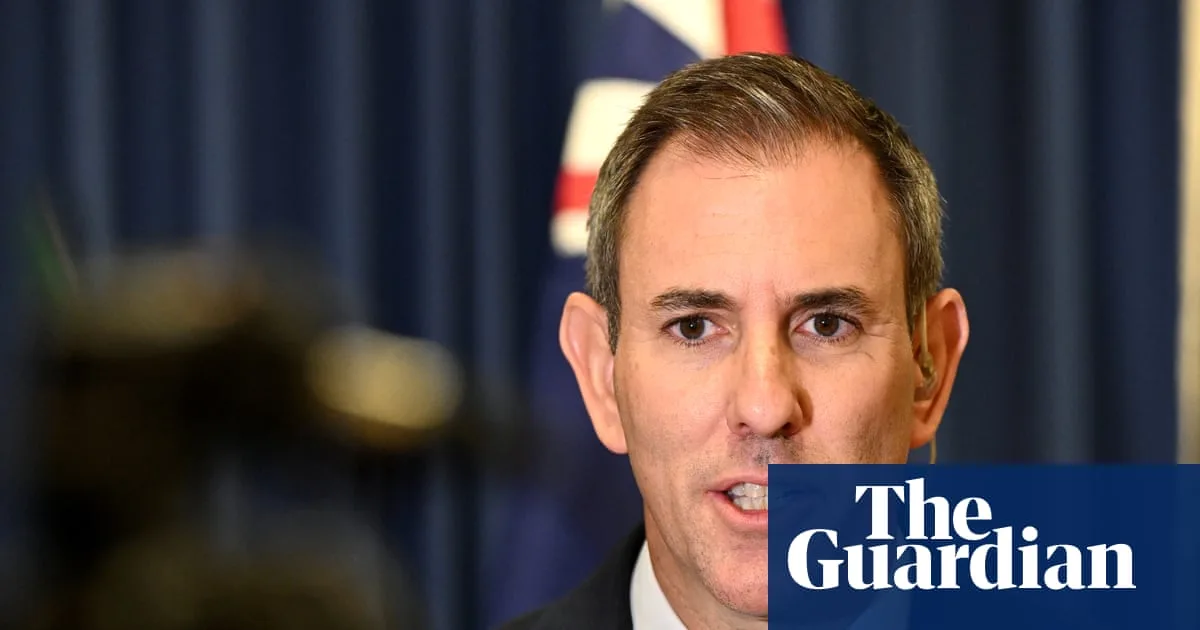
Treasurer Jim Chalmers left open the option to extend the 26-cent fuel excise relief beyond its June expiry, stating it was "under review." The headline inflation drop, combined with a surprise rise in unemployment to 4.5%, has reduced the likelihood of a rate hike at the RBA's June meeting.
However, Stephen Smith of Deloitte Access Economics cautioned that conflict-driven global energy shocks are adding to price pressures, increasing the risk of another rate hike later this year. The ABS reported that higher fuel costs are affecting products with high freight costs, such as parcel delivery (up 12%) and building materials (up 4.7%).
Underlying annual inflation, which excludes volatile items like fuel, ticked up to 3.4% from 3.3%, remaining above the RBA's target of 2.5%. KPMG's Brendan Rynne warned that oil price spikes work through the economy on a staggered basis, potentially affecting food, manufacturing, and construction in the coming months.




