
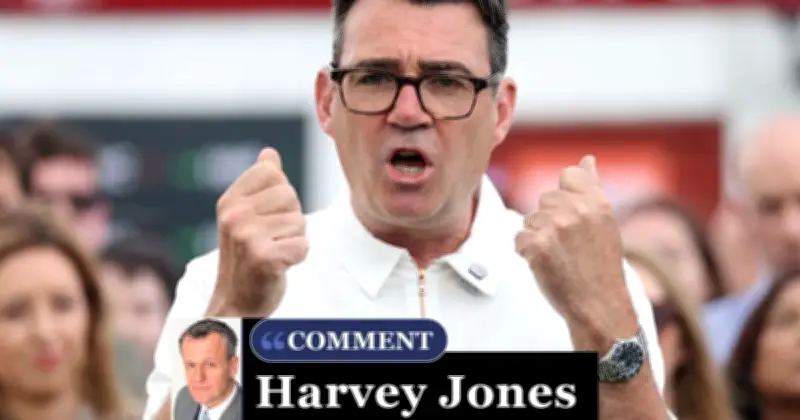
Andy Burnham is a racing certainty to become Prime Minister, but his fiscal plans remain unclear. During the 2024 election, Sir Keir Starmer and Chancellor Rachel Reeves pledged only three tax increases totalling £8.5 billion on public schools, non-doms, and energy companies. Once in power, they hit taxpayers for £70 billion. Burnham also played down talk of tax hikes, but that could now change, putting workers, pensioners, homeowners, savers, investors, and landlords in the firing line.
Land Value Tax and Income Tax Proposals
Over the years, Burnham has floated several tax ideas. One is a Land Value Tax, an annual charge based on the value of land rather than the property itself. He has argued this could replace stamp duty and council tax, but critics fear it could end up sitting alongside them instead. He has also supported increasing the additional rate of income tax from 45% to 50%, hitting those earning above £125,140.
Capital Gains Tax and National Insurance on Rental Income
Burnham has suggested hiking capital gains tax (CGT) to bring rates closer to income tax bands. Currently, basic-rate taxpayers pay CGT at 18%, while higher-rate taxpayers pay 24%. Under Burnham, rates could rise to 20%, 40%, and 45%, threatening small business owners, buy-to-let landlords, second homeowners, non-ISA investors, and Bitcoin holders. In another blow to landlords, Burnham has indicated support for charging National Insurance on rental income, which is currently exempt.
Inheritance Tax and Business Rates
He has previously backed a 10% inheritance tax levy on estates to help fund social care, saying everybody would pay, “but obviously the wealthiest would pay the most.” This might prove popular if it replaced the current 40% rate, but critics worry taxpayers could end up paying both. For small businesses, Burnham admitted Labour “got it wrong” by hiking employers’ National Insurance, a move critics say has hit jobs and investment. He has also suggested cutting business rates for pubs, clubs, and music venues, though how he would pay for it remains unclear.
Market Reactions and Wealth Exodus
The impact will also depend on financial markets. Charlotte Kennedy, chartered financial planner at Rathbones, said he had little room for manoeuvre. “Burnham would inherit the same difficult fiscal backdrop and quickly discover there are no easy wins, amid sluggish growth, stretched public services and strained public finances.” Rathbones' analysis suggests as much as £100 billion of wealth could either leave the UK or be redirected if Burnham introduces a wealth tax.
Maike Currie, vice-president for personal finance at PensionBee, said political uncertainty can quickly spread into pensions, mortgages and household finances, as seen during Liz Truss’s disastrous mini-Budget in 2022. “If the UK's fiscal credibility comes into question or the prospect of an early General Election grows, investors may demand a higher return for lending to the UK, meaning a rise in interest rates across the board,” Currie said. “That would push up mortgage and annuity rates, affecting pension values.”
Samuel Mather-Holgate, managing director at Mather and Murray Financial, warned that sterling could fall. “A weaker pound drives up import costs and shrinks the value of your holiday money.” Despite the risks, most of us should resist the temptation to make rushed financial decisions based on political drama and speculation. It's best to wait until the facts are in.




