Millions of British households will face the highest energy charges in three years this winter after months of rising market prices pushed up the government’s price cap for the second time in three months.
Gas and electricity prices will rise by 4% from October under the new cap, after climbing 13% at the start of July to take account of global energy market price rises caused by the war on Iran.
New cap details
The regulator for Great Britain, Ofgem, said the new cap for about 22m households was equivalent to £1,723 a year for a typical household’s gas and electricity use, up from £1,663 for the July to September period.

The cap is forecast to climb by the equivalent of a further £149 a year in January, according to the energy consultants at Cornwall Insight, which would put the average annual bill at £1,872.
Government response
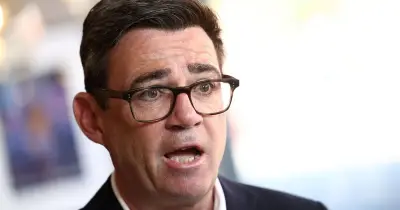
Andy Burnham said rising energy bills were “difficult for people and I recognise that”. Speaking to reporters from a supermarket in London, the prime minister said: “It’s why, within days of taking office, I announced that we would remove VAT off electricity bills … We’ll continue to look as we go forward at how we get energy prices down in the long term.”
The government faces growing pressure to tackle the UK’s energy costs, which are some of the highest in the developed world, after its pre-election promise in 2024 to cut energy bills by £300 a year by 2030.
Impact on households
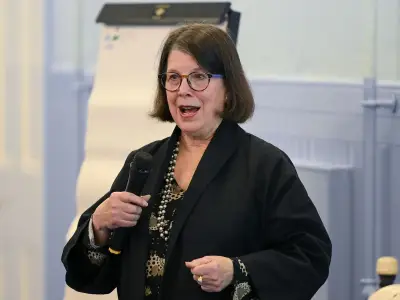
Clare Moriarty, the chief executive of Citizens Advice, said the rising price cap was “another sign of the relentless erosion of living standards across the country: energy bills are simply too high, prices leapfrog incomes, and debt levels continue to grow.”
From October, the typical household using a standard tariff will pay £350 a year more than in 2024 under the price cap. About a third of households buy their energy via fixed-rate deals, which will not be affected.
Miatta Fahnbulleh, the energy secretary, said bills were being driven up by the Iran war and the government would “keep looking at what more we can do to protect families from unaffordable bills”.
Cost breakdown
Energy market prices are the largest single cost within energy bills. They will represent £812 of the average energy bill under the price cap from October – 78% higher than before the Ukraine crisis began in early 2022.
However, the cost of upgrading Great Britain’s energy networks is rising too and will make up £417 of the annual household bill from October – an 85% rise over the same period.
Fahnbulleh told LBC radio that upgrading the UK’s energy infrastructure was “not a choice” because if the government failed to invest, no one “would forgive us”. She said: “We absolutely need to do that.”
Calls for more support
The increase in energy costs has reignited calls for the government to help vulnerable households. There have been repeated calls for it to fund extra measures by raising the windfall taxes on profits made by energy companies and by introducing a windfall tax on banks.
“It’s plain common sense,” said Paul Nowak, the TUC general secretary. “Banks are raking it in … they can well afford to pay more tax to ease the pressure on working people.”
The regulator calculated the average annual bill of £1,723 based on the estimated energy use of a typical household. Since July it has assumed lower annual energy use than in previous years because the high cost of energy has forced many people to use less gas and electricity. Under the previous calculations, the price cap would have climbed to £1,940.69 from October.
More than a third of households have begun turning down the temperature on their washing machine and radiators in empty rooms since 2023, according to research commissioned by the End Fuel Poverty Coalition.
Meanwhile, about a fifth of households have begun going to bed early during colder weather in order to keep warm, or are heating only one room to save energy, the survey found.
From October, the unit rate for electricity will rise from 26.11p a kilowatt hour to 26.32p, while gas charges will rise from 7.33p to 7.97p. However, the actual household bill will depend on how much each consumes.

Gas standing charges, which are paid daily whether you use energy or not, will rise from 29.04p to 29.68p, while the daily standing charge for electricity will fall from 57.19p to 54.83p because of the government’s VAT cut for electricity bills.
The increased unit rates and other costs will take combined energy charges to their highest level since July 2023. This article was amended on 26 August 2026. An earlier version said the standing charge for electricity had risen; in fact, it has fallen.