
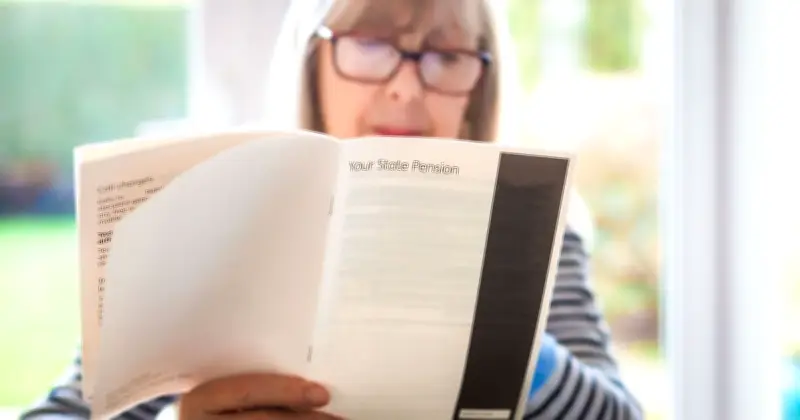
The future of the State Pension could be reshaped before the end of the decade, with experts warning that rising costs and an ageing population will put ministers under mounting pressure to review the system.
What is the state pension age?
The state pension age is currently 66. It is already scheduled to rise to 67 between 2026 and 2028, and under existing legislation it is then due to increase to 68 between 2044 and 2046.
However, the Office for Budget Responsibility (OBR) has based its long-term forecasts on the assumption that the rise to 68 could instead take place between 2037 and 2039. The OBR has warned that delaying the move would cost public finances around £6 billion a year.
The Government is also legally required to review the State Pension age every six years, meaning further recommendations could be made well before 2030.
Triple lock under scrutiny
Alongside the pension age, the future of the triple lock continues to attract scrutiny. The policy guarantees the state pension rises each year by whichever is highest out of inflation, average earnings growth or 2.5%.
It has significantly boosted payments in recent years, with the full new State Pension now worth £241.30 a week, or around £12,547 a year. But maintaining the triple lock is becoming increasingly expensive, with the OBR previously estimating that its annual cost could reach £15.5 billion by 2030.
What could change?
Tom Selby, director of public policy at AJ Bell, said politicians effectively have two choices when trying to control state pension spending: reduce how much is paid or increase the age at which people can claim it. He warned that governments have so far been reluctant to reduce payments, placing greater focus on raising the pension age instead.
Some policy experts have suggested the state pension age could eventually reach 70 or even 71 for younger generations if life expectancy continues to increase, although there are no Government plans to introduce such changes at present. Others have floated the idea of means-testing the state pension, which would reduce or remove payments for wealthier retirees. However, pensions specialists have warned that this could discourage people from saving into private pensions and would be difficult to implement fairly.
For now, the Government has committed to keeping the triple lock until at least the end of the current Parliament, while the existing timetable for increases to the State Pension age remains unchanged. However, with spending on the state pension continuing to rise and regular reviews built into the system, experts believe the debate over when Britons retire is likely to intensify as 2030 approaches.




