
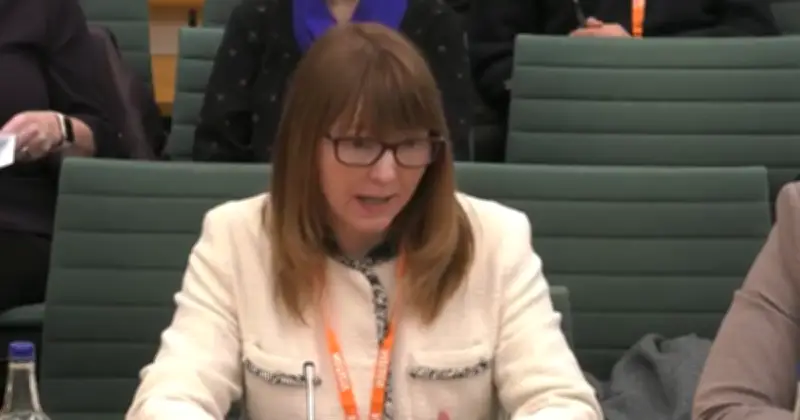
The head of the government's independent state pension age review has suggested that 70 is "not unusual in other countries" and said people need to rethink how late in life they are prepared to work.
Speaking on the BBC Radio 4 Moneybox programme, Dr Suzy Morrissey indicated that "anything is possible" when asked whether people will need to wait until they are 70 in the future. Dr Morrissey was appointed by the Secretary of State for Work and Pensions last year to prepare an independent review into the future of the state pension age.
Gradual Rise to 67
Listeners heard that this week a cohort of individuals faced an additional month's delay for their state pension, as the qualifying age is presently rising incrementally to 67. Presenter Paul Lewis said: "State pension age rose by one month this week. People who reached 66 on Tuesday will not get their state pension until May next year. That's a month later than those born the day before. It's part of the gradual rise in state pension age which will reach 67 for people born on March 6 1961 or later.
"It's due to rise again to 68 in the 2040s. But will that change? The state pension age review - the third to be held - is considering how state pension age should be set in the future in the light of the latest life expectancy data."
Concerns Over Health and Work
Concerns have emerged after statistics revealed that people experience poorer health in later years before reaching 67, and may be incapable of working yet have no alternative income. Dr Morrissey said: "Certainly we have got age increases happening and so we know that we're likely to get to 68 in due course, so anything is possible in terms of it increasing. 70 is not unusual in other countries."
Mr Lewis noted that listeners had raised concerns about a single pension age not always seeming equitable, particularly for those in physically demanding roles. Dr Morrissey said: "Yes we certainly did hear that. People expressed concerns about different jobs.. and health status. And there's definitely a question there about how fair that would feel if you have worked in a physical job compared to those of us who do less physical work."
Challenges of a Variable Pension Age
Addressing the prospect of applying varying pension ages across different occupations, she continued: "We shouldn't underestimate the scale of the task there - there is a reason that we use a single state pension age notwithstanding the challenges of doing so. Imagine trying to define the types of job that would be eligible for a reduction and how long would one have to have done that job.
"Or regionally is it where you were born or how long you've lived in a particular place. It is extremely challenging to find criteria that people would consider fair." Mr Lewis stated: "Life expectancy does vary. It can be 7,8 years longer in some places than others. Again you'd have to define what the age would be and how long you had to live there."
Dr Morrissey explained: "Whilst the idea of a differentiated, variable pension age, might sound attractive at some level, I think once you start to get into those intricacies of how exactly you would do that definition I think probably people understand that there's a reason that we use a single one."
Life Expectancy Trends and Employment
A crucial element the review examined was life expectancy, with listeners informed that while it had been rising for an extended period, this trend has now halted. Dr Morrissey noted: "So life expectancy is still increasing, but not at the rate that it was increasing in the past.
"Healthy life expectancy is actually decreasing, so we're spending fewer years in good health and so, of course, as the state pension age increases that means that we're likely to be spending years of ill health, but still under state pension age." She noted the employment rate for individuals aged between 50 and 64 stands at merely 70%. Dr Morrissey continued: "By the time you get to the year before state pension age only 42% of adults are still in paid work."
Mr Lewis observed: "And that raises the question of how they live because if you can't work and you can't get your state pension, you're on working age benefits with maybe no money of your own." Dr Morrissey concurred: "The majority of people aged 50 - 64 who aren't in paid work give long-term sickness as the reason for not being in work."
She suggested individuals must reconsider their willingness to remain in employment longer. When Mr Lewis enquired about potential solutions, she responded: "I think it's fair to say that is a challenge. Some of it is a bit of a mindset as you said - a lot of your interviewees were not wanting to work that late, so there's something about us and rethinking about how late in life we're prepared to work. And then there's something about employment that we have - the types of roles that we're offered. When you speak to people about working into their later life, they often talk about flexibility as being really important."
The findings are scheduled for publication following spring 2027.




