
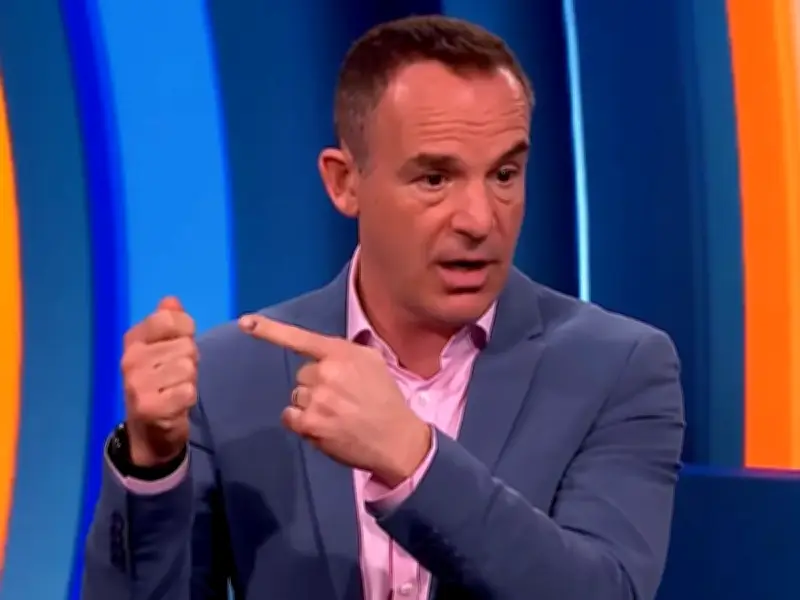
Martin Lewis has weighed into the debate over whether a Lifetime ISA (LISA) makes financial sense for retirement planning, comparing it with traditional pensions and explaining the £1,000 annual bonus on offer.
On his BBC podcast, Mr Lewis addressed a question from a listener about whether keeping a LISA open is worthwhile after using the funds to buy a first property. He described the product as "dual purpose", noting that account holders can use their balance toward a first home priced at or below £450,000, or access the account once they reach age 60.
How the Lifetime ISA works
Withdrawals for any other reason, apart from terminal illness, trigger a 25 per cent penalty. However, the Budget announced that a milder 20 per cent penalty will now apply for first-time buyers purchasing properties above the £450,000 ceiling.
Mr Lewis highlighted the LISA's primary financial incentive: "What you're getting with a Lifetime ISA is a 25 per cent boost on what you put in." Like standard ISAs, any growth within a LISA is tax-free.
Savers can deposit up to £4,000 each tax year, which counts toward the £20,000 overall ISA allowance. Deposits receive an immediate 25 per cent Government bonus, reaching up to £1,000 annually, credited during the month the contribution is made.
When pensions come out on top
Despite the appeal of the upfront bonus, Mr Lewis made clear that conventional pensions often perform better over the long run. "If you are an employee and you're doing auto-enrolment—which means that your employer up to a certain amount has to provide matching contributions, the minimum amount is if you contribute 5 per cent, they must put in a minimum of 3 per cent—well, then a pension is just smacking the bottom of Lifetime ISA, and you want to prioritise putting your money into a pension," he said.
He also pointed to tax relief at source as the "big superpower" of pensions, with providers automatically adding 20 per cent to contributions.
When a Lifetime ISA makes sense
The picture differs for other savers. Mr Lewis said: "We already said on auto-enrolment, the pension is easily going to win. And generally, if you're a higher rate or top rate tax payer, a pension is going to win again. Where a Lifetime ISA becomes competitive is if you are a basic rate person who's not getting auto-enrolment, either because you've used it up or because you're self-employed. In that case, there are pros and cons to pensions versus Lifetime ISAs."
One advantage of pensions is earlier access: private pensions can currently be drawn from age 55, rising to 57 in April 2027, whereas LISA holders must wait until age 60 to withdraw penalty-free. Using LISA savings to buy a first home does not stop further contributions, so savers can keep building a retirement nest egg.
Upcoming changes
The Lifetime ISA will eventually be replaced by a First Time Buyer ISA, which will be exclusively for property purchases. The new product will keep the £4,000 annual deposit allowance with the 25 per cent bonus, so up to £1,000 in bonuses, paid when the home is bought. It launches in April 2029, after which no new Lifetime ISAs can be opened, though savers will be permitted to hold both accounts and claim the respective Government bonuses on each.




