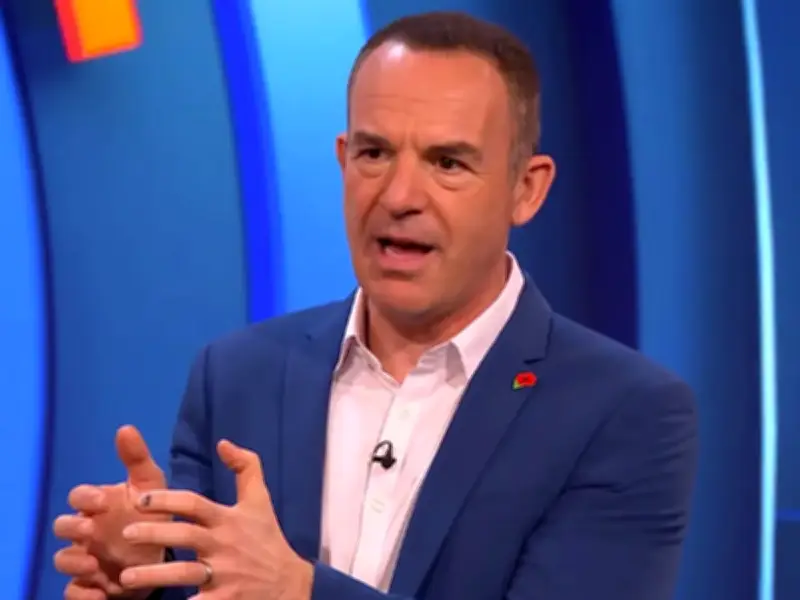
Martin Lewis has highlighted a legal requirement that applies to fixed-rate cash ISAs, explaining how it affects the rates savers can get compared with ordinary savings accounts. He was responding to a pensioner who contacted his BBC podcast after their fixed-rate ISA matured and who wanted to grow their savings, noting they rely on interest earnings "to subsidise my measly pension".
Comparing ISA rates with normal savings
Mr Lewis said it varies which type of account comes out on top. He explained: "Now interestingly we tend to find that the top-paying easy access cash ISAs outpay the top-paying normal savings. But the top-paying normal fixed rate savings outpay the top fixed rate cash ISAs."
He attributed this to a legal rule: "The reason for that is fixed rate cash ISAs have one advantage over fixed rate savings: A fixed rate cash ISA must by law allow you to withdraw your money, you don't have to hold it for the whole period. Whereas fixed rate savings, they can lock your money away for two years or so. They can charge a withdrawal penalty of say 90 or 180 days' worth of interest [with a fixed rate ISA]."
ISA allowance rules remain unchanged
Mr Lewis also stressed that cash ISAs and other savings accounts are essentially the same, with the only difference being that with a cash ISA you never have to pay tax on your interest earnings. Labour previously set out plans to reduce the cash ISA allowance from April 2027, but the Government announced at the Autumn Budget that these proposed changes will not go ahead.
This means the ISA rules applying to all UK adults will remain: you can deposit up to £20,000 each tax year into ISAs; you can divide this allowance however you want across different types of ISAs and any number of accounts; and any interest earnings or investment growth within an ISA is completely tax free. You can still put the whole £20,000 into cash ISAs over a year.
Taxpayer status and other allowances
Applying typical top rates to a person with a modest income, Mr Lewis said: "So if you're a non-taxpayer, you will earn more in a fixed rate normal savings account because the rates are higher. If you're a taxpayer on your savings interest, the top fixed rate cash ISAs will outpay the top normal [accounts] because of the tax advantage."
He added: "Even if you're not a taxpayer, though, if you want that 'get out of jail free' card that you could get your money out in an emergency, then that is an advantage of fixed-rate cash ISAs over normal fixed rate savings."
Outside ISAs, basic rate income taxpayers can earn up to £1,000 of interest tax free each tax year. People on a low income may also benefit from the starting rate for savings, an extra £5,000 allowance above the £12,570 personal allowance. This reduces by £1 for each £1 earned above the personal allowance, so the starting rate reaches zero once income hits £17,250 a year, leaving just the £1,000 allowance for basic rate taxpayers.
From April 2027, interest earnings that attract a tax bill will be taxed at higher rates, with all rates rising by four percentage points: basic rate from 20 per cent to 24 per cent, higher rate from 40 per cent to 44 per cent, and additional rate from 45 per cent to 49 per cent. The full discussion is available on the BBC Sounds website.