
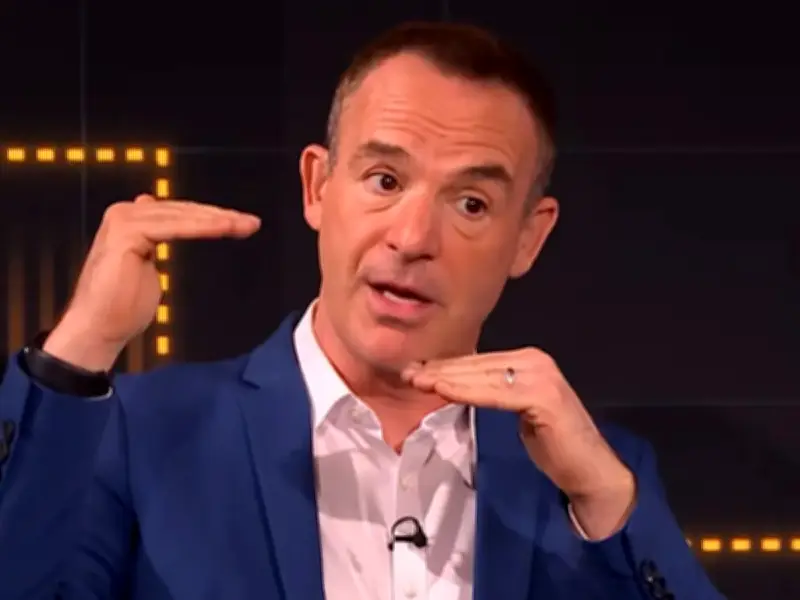
Martin Lewis has explained a "really important" set of new tax rules that state pensioners need to understand, warning that some face a "high marginal rate" under a fresh policy announced at the Budget.
The consumer expert detailed how the new Pension Tax Allowance will work. This measure provides a tax break for some pensioners, but the nuances of the new tax regime mean some may pay a hefty tax rate on part of their income. Speaking on his BBC podcast, Mr Lewis said it's "really important" to get your head around the new regulations.
No tax to pay
He told listeners: "Rule number one: if you earn a total of under £13,037—you know, I don't care if you get the winter fuel payment, I don't care if you're on the old state pension—it's the amount you earn of taxable income that counts. You do not pay tax if you're a state pensioner."
This new allowance is an extra amount on top of the standard personal allowance that everybody gets, allowing you to earn up to £12,570 a year without paying income tax. As the full new state pension will increase above the personal allowance next April, this policy has been brought in primarily to ensure people whose only income is the full new state pension do not have to start paying tax.
State pension payments are set to increase 3.9 per cent in April 2027, lifting the full new state pension from the current £230.25 a week to £250.70 a week, worth £13,036.40 a year. The extra allowance set at £13,307, also coming in from April 2027, will protect people whose only income is the state pension from paying tax on their payments.
But as Mr Lewis said, the Pension Tax Allowance applies to any income you have, not just your state pension. The new rules will also apply to anyone of state pension age, even if you are not claiming your state pension. Another important rule is that once your income moves above £13,307, you don't just lose this allowance entirely.
Tax allowance taper
Mr Lewis explained: "Rule number two: for every £3 you earn over that amount, you lose £1 of your pension tax allowance. At £13,037, your pension tax allowance is saving you £94 that you would have paid. You'd be paying £94 tax on £13,037. So your pension tax allowance is worth £94. You lose £1 of that for each £3 you go over £13,037."
He shared the example of someone with an income of £13,067, so £30 above the new Pension Tax Allowance. They would not just pay the 20 per cent basic rate of income tax on this £30, paying £6 in tax. They would also lose £10 of their allowance, so they would pay £16 in tax.
Mr Lewis said of this taper rule as you move above the new allowance: "That's actually a relatively effective high marginal rate between that bracket of just over 50 per cent of the extra income you get goes to pay tax, because they are on a catch-up until you get to £13,319."
Once your income reaches £13,319, you no longer get the Pension Tax Allowance, so you just get the standard £12,570 personal allowance. Mr Lewis was asked why they added this taper rule so you lose the new allowance gradually.
In summary
Trying to summarise the new rules in a simple way, Mr Lewis said: "The best way to think about it—I've done the math of how it works, which is really complex - this is what I'm saying: if you earn £13,037 or more and you're state pension age, even if you defer your pension, if you're state pension age, you won't pay tax. If you earn £13,319 or more, you will pay tax just like everybody under 65.
"You basically have what you earn, you subtract £12,570 from it, and as long as you're in the basic rate, pay 20 per cent of that. If you're in this very small bracket between £13,037 and £13,319, you will pay some tax, but less tax than you would have done if you were under 65."
The podcast is available in full on the BBC website.




