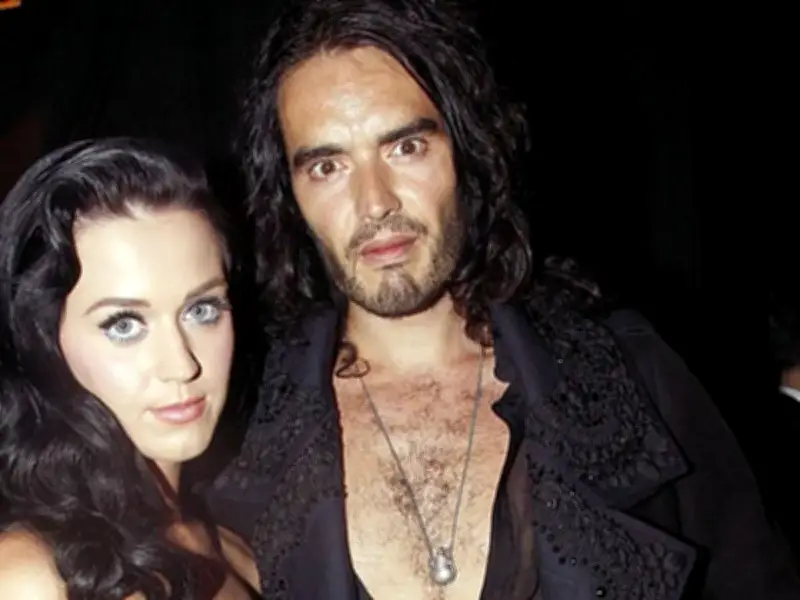
Katy Perry's comments about her marriage to Russell Brand have resurfaced after the comedian was convicted of one count of rape and three counts of sexual assault. A jury of eight men and four women at Southwark Crown Court delivered the verdict after a three-week trial.
Perry, 42, and Brand, 51, first met on the set of Get Him to the Greek in 2009 and married a year later in a traditional Hindu ceremony in India. Their relationship deteriorated, and Brand announced their separation in December 2011 after just 14 months of marriage.
Claims of controlling behaviour
In a 2013 interview with Vogue, Perry said Brand had become controlling during their relationship, before she realised she was not responsible for its breakdown. She also said she believed the collapse of their marriage stemmed from Brand struggling to accept that she was a successful musician and businesswoman, despite him claiming that was what he wanted.
Perry said: "At first when I met him he wanted an equal, and I think a lot of times strong men do want an equal, but then they get that equal and they're like, I can't handle the equalness."
She added: "He didn't like the atmosphere of me being the boss on tour. So that was really hurtful, and it was very controlling, which was upsetting."
Divorce text message
Perry said she felt a lot of responsibility for the marriage ending but later discovered "the real truth, which I can't necessarily disclose because I keep it locked in my safe for a rainy day." She added: "I let go and I was like: This isn't because of me; this is beyond me. So I have moved on from that."
The singer also claimed Brand sent her a text message revealing he intended to file for divorce. She told Vogue: "He's a very smart man, and I was in love with him when I married him. Let's just say I haven't heard from him since he texted me saying he was divorcing me December 31, 2011."
In 2025, Brand spoke about the split on his podcast and posted the same clip on X, insisting there was nothing wrong with Perry and noting they drifted apart due to ordinary, human factors.