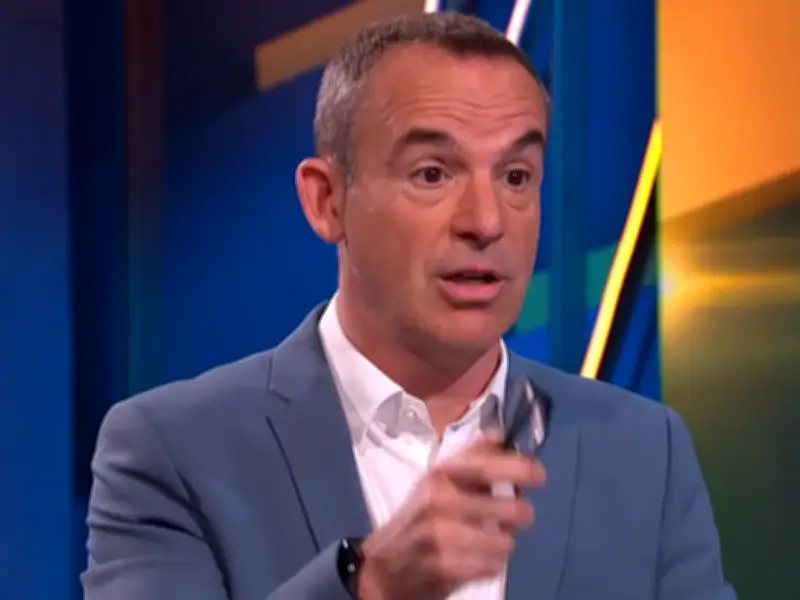
Martin Lewis has outlined a simple approach for families deciding how to split pension contributions when one partner is not working. On his BBC podcast, he suggested that if a household has £1,000 extra to put towards retirement saving, a reasonable balance could be to place £500 in each partner's pension.
The advice came after a caller explained that he was the sole breadwinner following the birth of a child, while his wife was out of work and not paying into a pension. Lewis acknowledged that the split "might not be perfect, but it's a reasonable balance."
The workplace pension advantage
Lewis also highlighted the benefits of contributing to a workplace pension, especially when an employer matches contributions. He asked the caller whether he was paying the maximum amount that his employer would match, which he confirmed.
Under auto-enrolment rules, a minimum of 8 per cent of an employee's earnings must be paid into a pension, typically made up of a 5 per cent contribution from the worker and a 3 per cent matched contribution from the employer.
Avoiding 'massive tax mistakes'
In a broader appeal, Lewis urged listeners to seek help when taking money out of their pension. He said: "For anybody who's listening who is at this point, go and talk to Pension Wise, which is part of the MoneyHelper organisation. It's free guidance on how you take your money out, because you can make massive tax mistakes."
Key rules for drawing down from a pension include: you can access private pensions from age 55, rising to 57 from April 2028; you can take up to 25 per cent from each pension pot as a tax-free lump sum, with a maximum total of £268,275; and withdrawals count as income for tax purposes, which could push you into a higher tax band and cut savings interest allowances. Once you start flexibly accessing pensions, the Money Purchase Annual Allowance may reduce the amount you can pay into defined contribution pots to £10,000 a year.