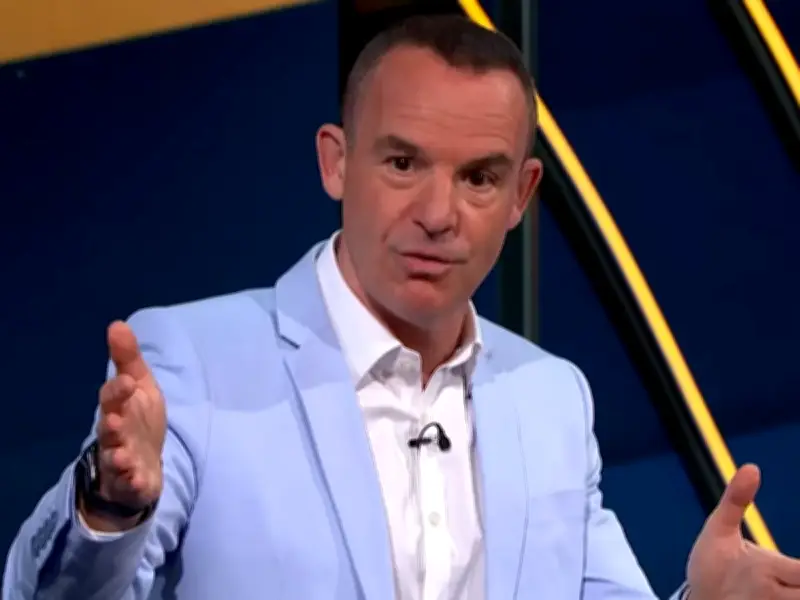
Consumer expert Martin Lewis has clarified key ISA rules for pensioners reviewing their savings, after a retired listener asked for advice on where to place funds from a matured fixed-rate ISA.
Answering questions on his BBC podcast, Lewis addressed the listener's concern that interest earnings were vital to "subsidise my measly pension". He reminded savers that a cash ISA works exactly like a standard savings account, with the only difference being that interest earnings are not taxed.
ISA allowance unchanged
The guidance follows the Government's decision at the Autumn Budget to scrap previously announced plans to reduce the cash ISA allowance from April 2027. As a result, the ISA rules for all UK adults remain unchanged.
- Savers can deposit up to £20,000 each tax year into ISAs.
- This allowance can be split between different types of ISAs and across any number of accounts.
- All interest earnings and investment growth within an ISA are tax free.
- Savers may use the full allowance for cash ISA deposits.
Lewis told listeners: "So if you want a fixed rate savings account that pays you interest each month, you could get a fixed rate ISA that pays you interest each month. That's it. It's not an either/or, it's do I want it in the ISA wrapper or not."
Tax rates rising from April
Protecting interest earnings from tax within a cash ISA is particularly important because several tax increases take effect from next April. The tax rate applied to interest earnings is rising by four percentage points across all tax bands.
The new rates will be: 24 per cent for basic rate taxpayers (up from 20 per cent), 44 per cent for higher rate taxpayers (up from 40 per cent), and 49 per cent for additional rate taxpayers (up from 45 per cent).
Outside ISAs, basic rate taxpayers can earn up to £1,000 of interest tax free each financial year. Low earners may also qualify for the starting rate for savings, an extra £5,000 allowance above the £12,570 personal allowance. This reduces by £1 for every £1 earned above the personal allowance, so the starting rate reaches zero once income hits £17,250 a year, leaving basic rate taxpayers with only the £1,000 allowance.
The full podcast is available on the BBC Sounds website.