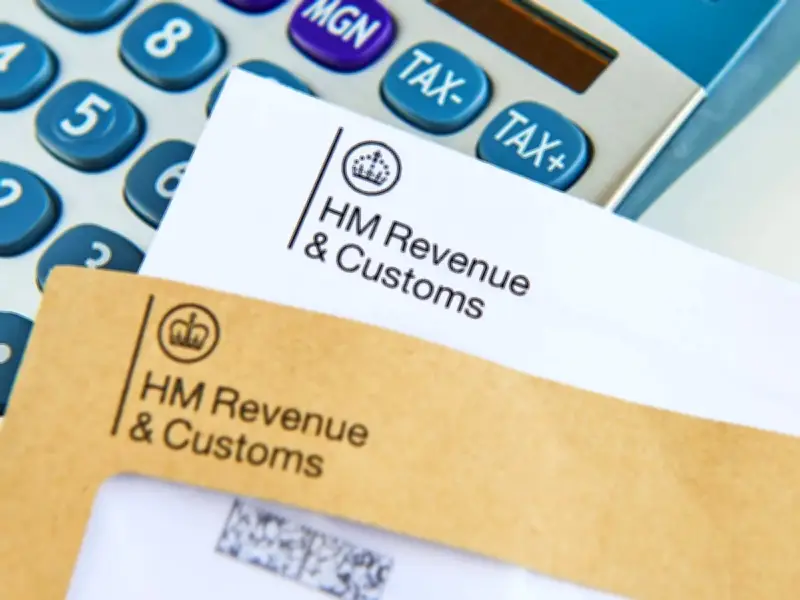
HMRC processed 54,166 pension withdrawal repayments in the 2025/26 financial year, totalling around £188m, according to data obtained through a Freedom of Information request by City AM. On average, affected savers were refunded approximately £3,470.
Over the course of the financial year, HMRC received 107,880 repayment claim forms. The over-taxation arose from default Pay As You Earn (PAYE) rules used to collect income tax, which also deduct taxes from private or workplace pension withdrawals.
Why pension withdrawals were overtaxed
Under current regulations, Brits can access their pension pot from age 55, with 25% of the total value of the pot being tax-free. However, in certain situations, a single withdrawal can be treated as monthly income, as pension providers rarely have an up-to-date tax code for customers, leading HMRC to tax the withdrawal as if it were regular income.
Savers must apply for a refund rather than HMRC issuing an automatic refund. Steve Webb, partner at pensions consultant LCP and former pensions minister, described the need to fill out a form to reclaim the money as "absurd" and an unnecessary burden for both the department and taxpayers.
"The whole system of overtaxing people on pension withdrawals and expecting them to fill in one of three different claim forms to get their tax back is absurd.... a huge waste of taxpayer time and effort," he said.
Refund breakdown by claim form
The lion's share of the refunded money was claimed via P55 forms, which are used for partial withdrawals, with £124.5m returned across 37,116 claims. Brits who completed P53Z forms — used by those who have completely drained their retirement pot but still have other income to fall back on — had £51.8m paid out from 14,372 claims. Meanwhile, an additional £10.8m was refunded across 2,519 P50Z form claims, which are used by those who have no other existing income.
The failure of HMRC to promptly contact savers who have been overtaxed means that only those who notice the mistake and submit a claim can try to recover their money immediately. Those who do not spot the overcharge or decide not to file a claim usually have to wait until HMRC carries out its end of financial year tax reconciliation process, meaning many often wait months for funds.
HMRC response and Pension Credit context
HMRC stated it could not provide the total number of people whose pension withdrawals had been overtaxed, or the total amount of tax over-deducted, without examining individual customer records. These findings emerge as both HMRC and the Department of Work and Pensions (DWP) are encouraging people to become more involved with their pensions to avoid being overcharged and missing out on other financial benefits.
According to statistics released by the DWP in May, the percentage of overpaid Pension Credit claims rose to 33% in the 2025/26 tax year, up from 28% the previous year. The two main causes of incorrect payments were identified as claimants not fully declaring their financial assets or spending more time abroad than the benefit rules allow. By April 2031, the government anticipates a saving of £370m.
However, despite the clampdown on Pension Credit claims, many who are eligible for the benefit still fail to claim it. An HMRC spokesperson stated: "Nobody ultimately overpays tax as a result of taking advantage of pension flexibility. We will repay anyone who pays too much because they're on an emergency tax code and individuals can claim a repayment earlier if they wish."