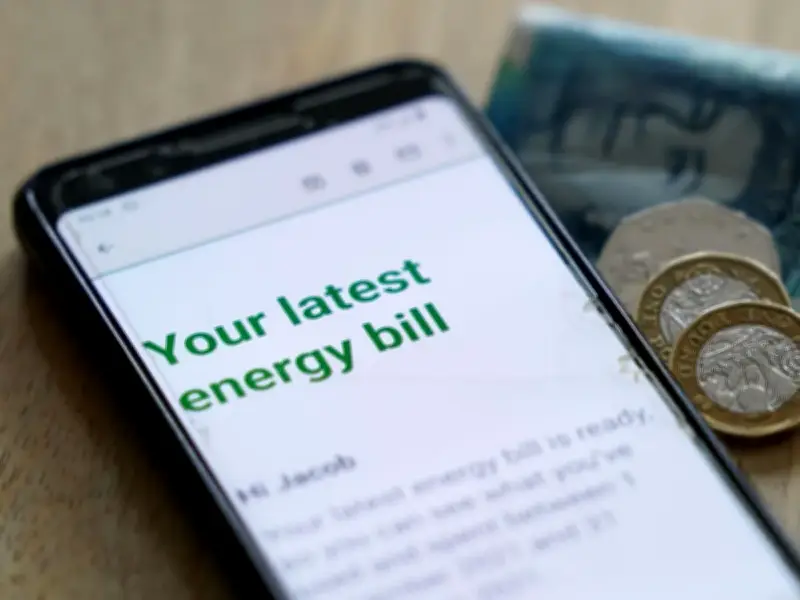
Energy bills are set to rise by £60 a year from today, Thursday (October 1), as Ofgem increases the energy price cap by 4%. The price cap is the maximum amount your supplier can charge for a unit of energy and standing charge together.
The current price cap is increasing from the £1,663 currently in place to £1,723 a year for a typical household. This applies for people who aren’t on a fixed tariff and pay by Direct Debit in England, Scotland and Wales.
Reason for the rise
Ofgem has attributed the rise in price cap to the ongoing situation in the Middle East. The conflict there is impacting the wholesale price of gas. You can use your current bills to estimate how much your bills will change by using our interactive calculator.
The price cap sets the maximum you can be charged for unit rates and standing charges - so your bill can be higher or lower than the price cap figure.
Who is affected
An estimated 35% of all households, around 11 million in total, are on fixed tariffs and will not be affected by this rise. It’s also believed that the removal of VAT on electricity bills will also save households £45 a year.
The VAT of 5% will no longer apply to electricity bills under action undertaken by Andy Burnham when he became Prime Minister. Households which use less gas than others will be less impacted by the changes. In fact, households that don’t use gas at all are estimated to see an increase of less than 1% in their bills.
Official response
Neil Kenward, Ofgem’s director general for markets, said: “High international gas prices are continuing to drive energy costs in the UK. We welcome the government’s intervention to remove VAT from electricity bills, without which customers would have faced even higher costs this winter.
“Savings are available by choosing a fixed tariff, which are available at £100 or more below the October price cap, and many suppliers offer tariffs with cheaper electricity to smart meter customers for electricity consumed out of peak times. It's also worth considering different payment methods, with prepayment customers paying the lowest price cap rates, and could save consumers an average of about £45 compared to direct debit.”
Mr Burnham said: “For many families, the energy bill is the one they dread the most. I don’t accept that it has to be this way, and I am determined to bring down costs for good. But I know people can’t wait. Families need breathing space now. That’s why, from today, VAT is gone from your electricity bill. And we’re going further, capping bus fares at £2 from January and cutting business rates for pubs, social clubs and live music venues.”