The Department for Work and Pensions (DWP) has confirmed that targeted case reviews of Pension Credit claims are uncovering underpayments as well as overpayments, meaning some older people may be receiving less financial support than they should.
Senior DWP officials told MPs that the reviews have recently started and are already identifying cases where payments have been incorrect. The update came during a Work and Pensions Committee evidence session on November 4, examining the DWP's Annual Report and Accounts for 2025/26.
Officials confirm incorrect payments found
Neil Couling, the DWP's Director General for Services and Fraud, told MPs: "We have just started targeted case review in Pension Credit, which is uncovering quite a lot of underpayments as well as overpayments."
He did not provide a breakdown of how many pensioners had been affected or how much additional money could be owed.
The disclosure came as MPs questioned the Department about the scale of benefit underpayments and the financial support that people are missing out on.
Wider unclaimed benefit entitlement
Liberal Democrat MP John Milne highlighted that underpayments had increased, with a further £3.7billion in benefit entitlement going unclaimed over the previous year.
The DWP's Permanent Secretary, Dame Sarah Healey, told the Committee that targeted case reviews were designed to identify incorrect payments in both directions. She said: "TCR - targeted case review - is there to identify errors, as Neil said. It will identify underpayment as well as overpayment, and it is a helpful mechanism that we use to do that, and one that we are obviously expanding."
The £3.7billion discussed during the hearing related to wider unfulfilled benefit entitlement, rather than Pension Credit alone.
Claimants urged to report changes
Mr Couling also acknowledged concerns that some claimants are reluctant to contact the DWP when their circumstances change because they fear their benefit payments could be reduced. He told MPs: "At the heart of the unfulfilled eligibility numbers - the £3.7billion that you are talking about, Mr Milne - is a lack of confidence that if I tell the DWP something, my benefit will go down when it should go up."
He highlighted Disability Living Allowance as an example of people potentially missing out on higher payments because they had not reported changes that could increase their entitlement.
Dame Sarah confirmed that the Department was encouraging claimants to report changes in circumstances that might result in higher awards, rather than concentrating solely on changes that could reduce payments.
Take-up remains around two thirds
The hearing also examined the continuing challenge of encouraging eligible pensioners to claim Pension Credit in the first place. Labour MP Patrick Hurley questioned why take-up remained at around two thirds despite repeated publicity campaigns.
Dame Sarah confirmed that the Department was continuing its campaign to encourage applications and would evaluate its effectiveness.
Mr Couling told MPs that the number of people receiving Pension Credit had increased by 33,000, but acknowledged that the proportion of eligible pensioners claiming the benefit had remained stubbornly low. He said: "I have been around for 40 years and pension credit has been around for 25. The take-up has stubbornly been at around that level ever since its introduction."
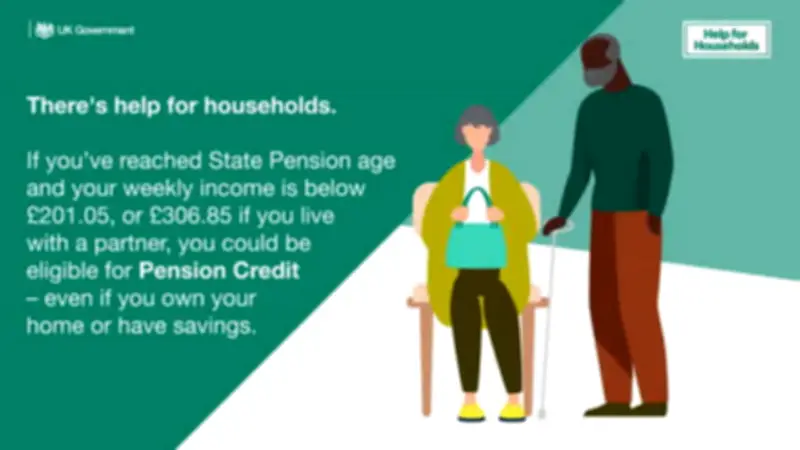
Pension Credit provides additional financial support to people over State Pension age who have a low income. Entitlement depends on individual circumstances, including income, savings and whether someone has a partner. It can also provide access to other financial help, making it important for older people to check whether they qualify.
People can check their eligibility and find details about applying for Pension Credit on GOV.UK. During the session, the DWP did not announce how many Pension Credit claims will be reviewed, how many underpayments have been identified or when further results from the exercise will be published.