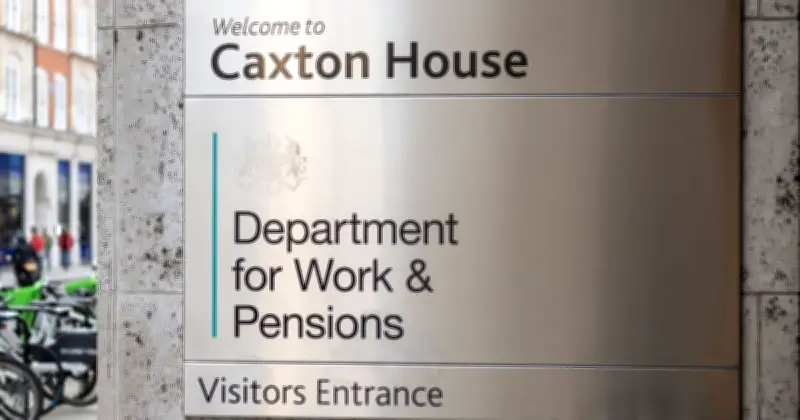
Personal Independence Payment (PIP) claimants will receive up to £208 more per year from April 2027 after the Department for Work and Pensions (DWP) confirmed a 3.5% increase in benefit rates. The rise lifts the maximum annual payment from £10,119.20 to £10,472.80.
Each tax year, the DWP raises most benefits in line with inflation, a process that applies to PIP, Carer's Allowance and Attendance Allowance. The state pension is treated separately under its own triple lock system.
New weekly rates from April 2027
Claimants receiving the enhanced weekly rate for daily living costs will see their payment rise from £114.60 to £118.60 per week. Those on the enhanced mobility rate will receive an increase from £80 to £82.80 per week.
For those claiming only the lower daily living rate, the weekly payment will rise from £86.70 to £79.40, while the lower mobility allowance will increase from £30.30 to £31.35 per week. Claimants receiving both enhanced elements will receive a total of £201.40 per week from April 2027.
Timms review calls for reform
The rate changes come alongside the publication of a 138-page review into the PIP system, led by disability minister Sir Stephen Timms. The report concluded that while PIP is a "valued and important benefit", the claims process is "complex, hard to navigate, burdensome" and sometimes "dehumanising".
The review recommended a "more personalised" approach to assessments, focusing on what support can help someone participate in society rather than what they cannot do. Sir Stephen said the team had recommended a system that would "depend on a conversation, rather than a confrontation".
Changes to eligibility criteria were not set out in the report, with Sir Stephen telling MPs that decisions on eligibility "should sit with the elected Government accountable to this House". The review said reforms could involve a "rebalancing process" to ensure awards more accurately reflect individual needs, and a co-author acknowledged some claimants might receive less money in future.