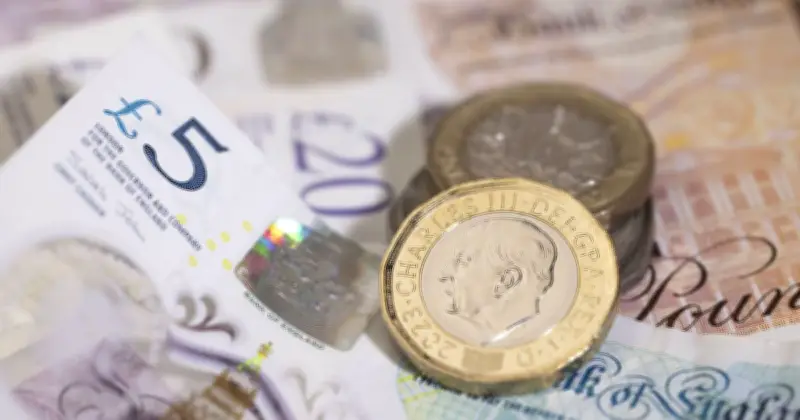
UK households have stockpiled an estimated £700 million in cash over the past five weeks as part of a national drive to boost emergency preparedness. The move follows the launch of a government-backed campaign urging the public to keep a small stash of physical money at home in case online banking becomes unavailable.
Campaign prompts cash withdrawals
The Cabinet Office-led initiative, which began on October 22, advises everyone in the country to hold a small amount of cash as a precaution. Since the campaign's launch, the amount of cash in circulation has increased by £1.5 billion, according to Bloomberg, citing the Bank of England. This suggests Brits are increasingly keeping money at home, with an estimated £700 million withdrawn over the past five weeks alone.
The guidance also encourages households to stock up on water, non-perishable food, medicine, and other supplies, as well as a torch and an FM radio, either wind-up or battery-powered, along with spare batteries.
Sales of essential goods surge
Sales of essential items such as bottled water and canned food have also risen sharply. Data from Worldpanel by Numerator shows hand sanitiser sales were up 83%, bottled water sales rose 67%, and tinned and jarred goods climbed 37%.
The analysis revealed that sales of tinned and jarred goods rose from £58.2 million in the 10 days to November 2, 2025, to £79.5 million over the same period in 2026. Bottled water sales jumped from £13.6 million to £22.8 million compared with a year earlier.
Officials urge readiness
The advice follows recent comments by Defence Secretary Wes Streeting, who said the country faces "a greater risk of war than at any point in my lifetime."
Security Minister Dan Jarvis MP said: "Those who can follow this advice should follow this advice. By taking simple steps to be ready for everyday emergencies like severe storms, people can reduce pressure on emergency services, helping them prioritise people who need more support in an emergency." He added: "This is just the sort of community-focused campaign the UK needs to improve our resilience as a nation. It will bring us into line with European counterparts, where advice like this is a normal part of everyday life."