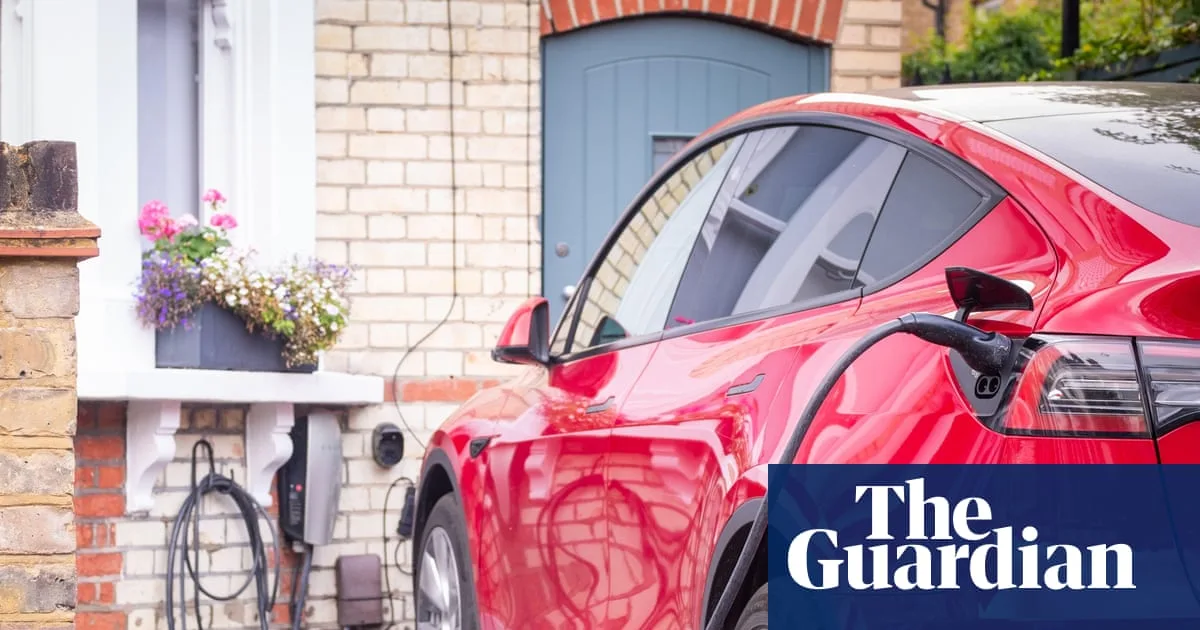
Great Britain’s households will be encouraged to increase their electricity consumption this summer to help balance the national grid as record levels of renewable energy are expected. The National Energy System Operator (Neso) plans to issue market notices calling on energy users to run appliances such as dishwashers and washing machines or charge electric vehicles during periods of surplus wind and solar power.
Energy suppliers may offer heavily discounted or even free electricity to customers during these times, building on existing off-peak tariffs already used by more than 2 million households. This marks the first time the system operator has employed this tool to avoid paying wind and solar farms to shut down when demand is low—costs that are ultimately passed on to consumers through their energy bills.
The initiative comes as households brace for the government’s energy price cap to rise to nearly £2,000 a year from July, driven by soaring market costs following the US-Israeli conflict with Iran. Neso aims to reduce curtailment payments and lower bills by maximising the use of clean power, with expectations that this summer could see the grid run entirely on zero-carbon electricity for the first time.
Great Britain recently set back-to-back solar records and wind generation hit a new high, pushing gas-fired power to a two-year low. However, the abundance of low-carbon electricity risks overloading parts of the grid unless consumption increases. Future grid upgrades and greater demand from electric vehicles, heat pumps, and green hydrogen production are expected to ease the imbalance by the 2030s.
Businesses and manufacturers will also be able to boost demand for electricity in exchange for better rates. Meanwhile, National Gas confirmed that Great Britain has sufficient gas supplies for the summer, relying primarily on North Sea gas from Norway and the UK, despite a 6% drop in domestic output and global LNG price increases due to Iran’s blockade of Gulf exports via the Strait of Hormuz.