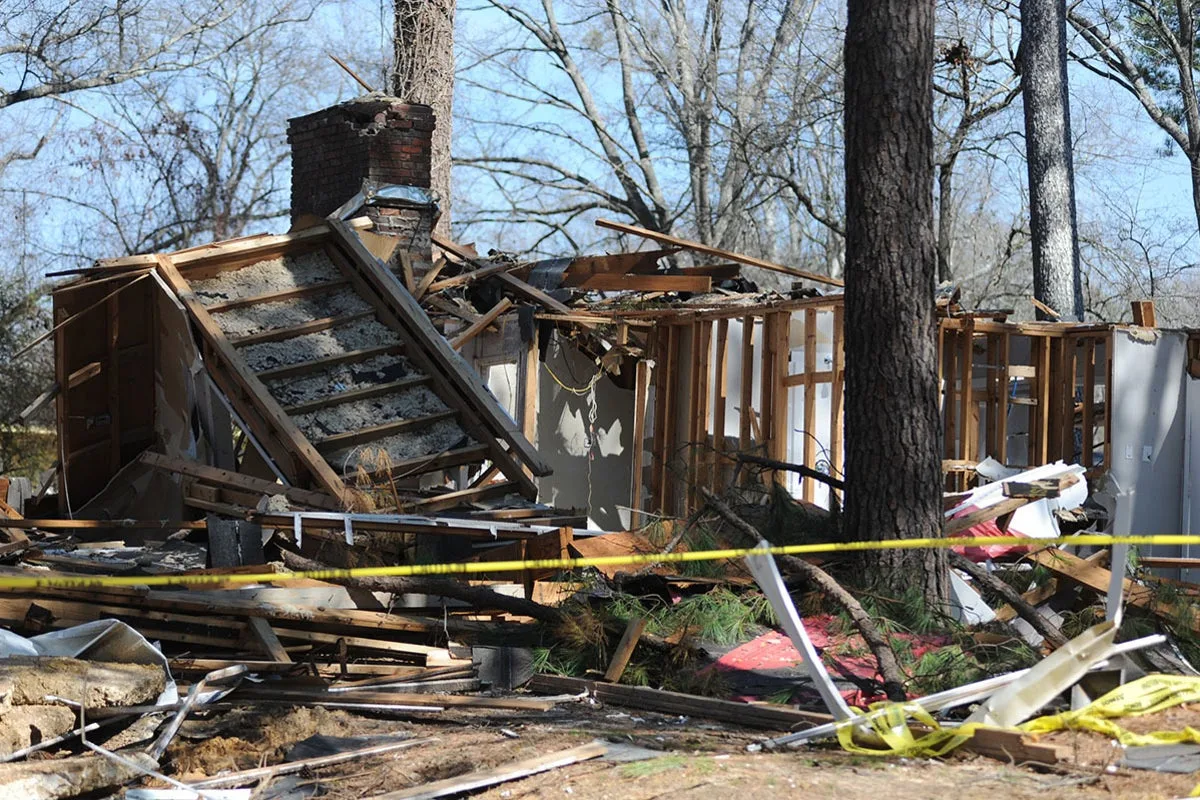
Two deadly natural gas explosions that destroyed homes in Jackson, Mississippi, in January 2024 were caused by underground pipes pulling loose from their fittings due to expanding and contracting clay soil, according to a National Transportation Safety Board (NTSB) report released Thursday.
The NTSB found that Atmos Energy Corp., the Dallas-based gas utility, had detected leaks before the explosions but did not deem them severe enough for prompt repair. The board also criticised the company for failing to adequately assess risks, make repairs, or educate the public and emergency officials on gas leak response. It urged regulators to increase oversight of Atmos, citing “significant safety shortfalls.”
One explosion on January 24 killed an elderly woman, Barbour, and injured her husband. Three days later, another blast levelled a home and damaged a neighbouring property. Investigators determined that gas pipes had disconnected from couplings as the region’s Yazoo clay soil shifted with rainfall and drought. The couplings, installed by a predecessor, were not resistant to pull-out, and the NTSB recommended their replacement.
The leak at the Barbour home was detected in November 2023 but classified as non-hazardous, meaning repair could be deferred for over a year. A second leak, found in December, was rated even less urgent, with repair scheduled within three years. After the explosions, Atmos re-evaluated leaks in Jackson and found some to be more serious than initially assessed.
The NTSB noted that Atmos had different safety procedures across states and that following stricter Kansas rules could have prevented the Mississippi explosions. “Atmos has not applied lessons learned in one state to the other states it operates in,” the board stated. Atmos spokesperson Bobby Morgan said safety “remains our highest priority” and that the company would evaluate the findings.