Shell Chief Executive Issues Stark Warning Over European Energy Supplies
Europe could be grappling with severe energy shortages as early as next month, according to a dire warning from the boss of Shell. Wael Sawan, the oil giant's chief executive, stated that the ongoing war in the Middle East, particularly Iran's blockade of the Strait of Hormuz, is creating a ripple effect that threatens to disrupt supplies across the continent.
Critical Chokepoint in Global Energy Markets
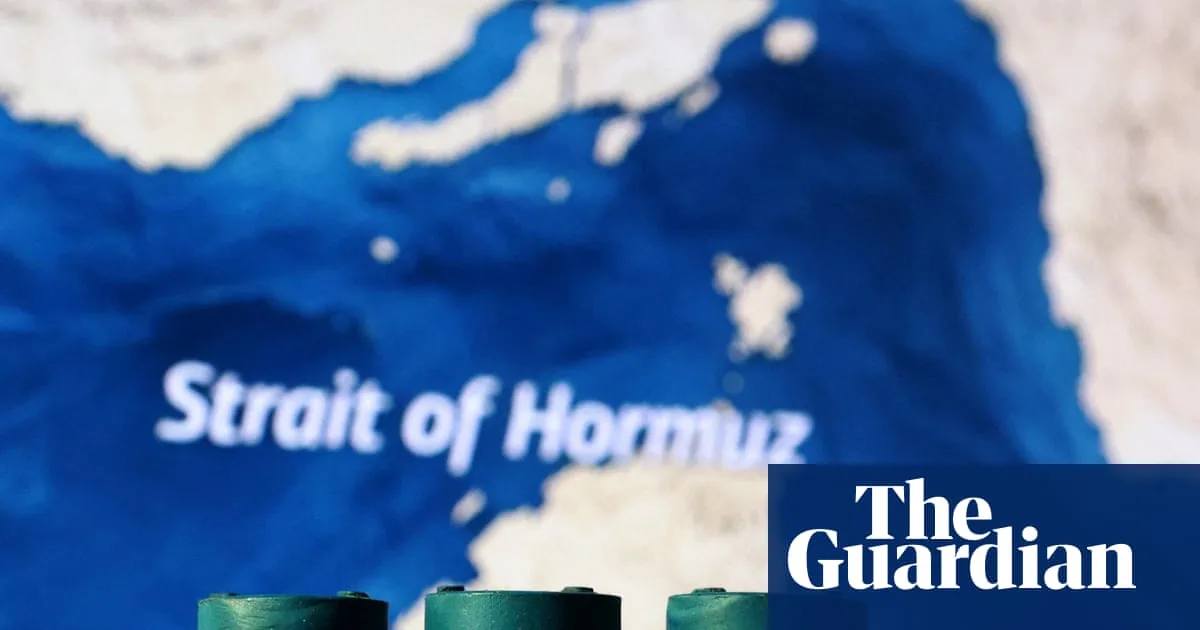
The Strait of Hormuz, a narrow waterway through which approximately one-fifth of the world's oil and liquefied natural gas passes, has become a focal point of the crisis. Since Iran closed the strait last month in response to US-Israeli military actions, shipments have been virtually halted, sparking market chaos and fears of a global economic downturn.
Oil prices have soared above $100 per barrel following the blockade, exacerbating inflationary pressures worldwide. Mr Sawan, speaking from a conference in Houston, Texas, noted that Asian nations heavily reliant on Middle Eastern energy have already implemented restrictive measures, such as four-day working weeks, to curb consumption.
Ripple Effect Moving Westwards
"It is a ripple effect," Mr Sawan explained. "We see south Asia first to get that brunt, that moves to south-east Asia, north-east Asia and then more so into Europe as we get into April." He emphasized that Shell is working closely with governments to alert them to necessary actions, including demand-side measures, storage strategies, and stock purchasing.
The energy boss warned that diesel supplies would be the next to feel the impact, following already affected jet fuel supplies, with gasoline potentially facing similar constraints. In a related development, Mr Sawan announced that Shell is exploring natural gas projects and oil opportunities in Venezuela, following the ousting of former president Nicolas Maduro, with potential approvals before the financial year-end if conditions allow.
UK Motorists Bear the Brunt
Analysis by the RAC Foundation reveals that UK drivers have already paid an additional £307 million for petrol and diesel since the conflict began on 28 February. Price data shows a sharp increase: on 16 March, unleaded petrol averaged 140.28p per litre and diesel 158.78p, rising to 144.16p and 166.88p respectively by 23 March—a weekly rise of 3.9p and 8.1p.
Political and International Responses
On the political front, Chancellor Rachel Reeves indicated that millions of Britons would receive no direct help with fuel bills, though targeted support would be offered to those most in need. Meanwhile, the UK government is leading coalition efforts with nations like France and the US to facilitate ship movements through the strait, including considering the deployment of mine-hunting drones.
In a diplomatic twist, Iran has reportedly informed the United Nations and International Maritime Organisation that it will allow certain "non-hostile" ships to transit the strait, as per Financial Times reports. Additionally, former US President Donald Trump has paused a five-day ultimatum demanding Iran reopen the waterway or face power plant destruction.
The International Energy Agency has urged governments to adopt measures to reduce oil and gas consumption, such as promoting remote work and carpooling, to mitigate the crisis's impact on global energy security.