US Senators Demand LNG Export Freeze as Household Energy Costs Skyrocket
In a significant political move, a coalition of Democratic and progressive lawmakers has formally called for an immediate freeze on liquefied natural gas (LNG) exports, citing the severe financial strain on American families as energy prices continue to soar nationwide. The urgent appeal was directed to Energy Secretary Chris Wright in a detailed letter dispatched on Wednesday night.
Lawmakers Highlight Contradiction with Trump's Promises
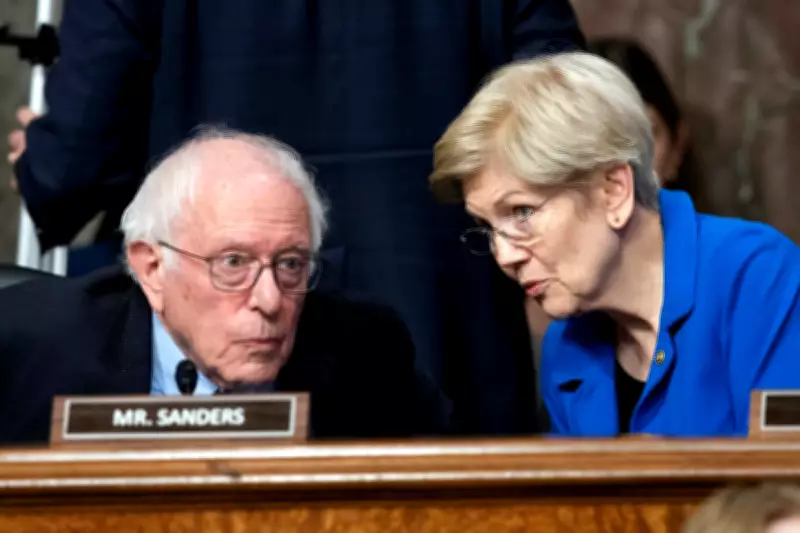
The letter, spearheaded by Senator Elizabeth Warren of Massachusetts and Independent Senator Bernie Sanders of Vermont, along with seven other Democratic senators, argues that the Trump administration's aggressive LNG export policies are directly undermining its own commitments to reduce utility bills for citizens. "The Trump administration's LNG export policies are not putting America first: they have jacked up utility prices for families, leaving many Americans struggling with the cost of heating their homes this winter," the document states emphatically.
This stance starkly contrasts with former President Donald Trump's repeated campaign pledges to slash electricity and gas costs for households. Despite promises to halve electricity expenses within his first year back in office, data reveals that the average US household paid nearly 6.7% more for electricity in 2025 compared to the previous year, according to a recent Guardian analysis.

Exports Surge While Domestic Prices Climb
LNG exports, which involve cooling methane gas into a liquid for easier international transport, experienced a substantial boom under the Biden administration and have accelerated further since Trump's return to power in January 2025. Federal statistics indicate a 26% growth in exports during 2025, with an additional 8% increase projected for the current year. Notably, the United States achieved a historic milestone last year by becoming the first nation to export over 100 million metric tons of LNG in a single year, a fact celebrated by the White House.
However, this export surge has created a domestic supply crunch, driving up natural gas prices for American consumers. The senators reference a June report from the Energy Information Administration, which found that higher natural gas prices in 2025 and anticipated increases in 2026 are "the result of strong export growth that persistently outpaces US natural gas production." Utilities and state regulators have corroborated that increased exports have directly led to higher utility bills.
Simple Economics: Supply, Demand, and Political Donations
The mechanism behind this price inflation is straightforward economics: increased exports reduce the natural gas available for domestic use, thereby elevating prices for residential ratepayers. Meanwhile, the fossil fuel industry has reaped substantial benefits from the export boom. The letter points out that top LNG exporters, such as Cheniere Energy and Venture Global, reported significantly increased earnings last year.
These companies have also been major financial contributors to Trump's re-election campaign, with executives donating generously and attending fundraisers where the president reportedly solicited $1 billion in support. This connection raises concerns about the influence of industry lobbying on energy policy decisions.
Administration's Stance and Lawmakers' Demands
Despite the growing public anxiety over utility costs, as reflected in recent polls, Trump officials have consistently expressed their intention to continue expanding LNG exports. Energy Secretary Chris Wright explicitly stated last fall that he aims to "double the natural gas exports," a goal highlighted in the senators' letter.
In response, the lawmakers are urging Wright to reconsider the administration's position and take concrete actions to alleviate consumer burdens. They have called for a written response detailing his commitment to reducing utility bills, emphasizing the need for policy alignment with the economic well-being of American families.

The letter was co-signed by Senators Richard Blumenthal of Connecticut, Sheldon Whitehouse of Rhode Island, Ed Markey of Massachusetts, Jeff Merkley of Oregon, Jack Reed of Rhode Island, Chris Van Hollen of Maryland, and Peter Welch of Vermont. The Energy Department has been contacted for comment on the matter, but no immediate response has been issued.