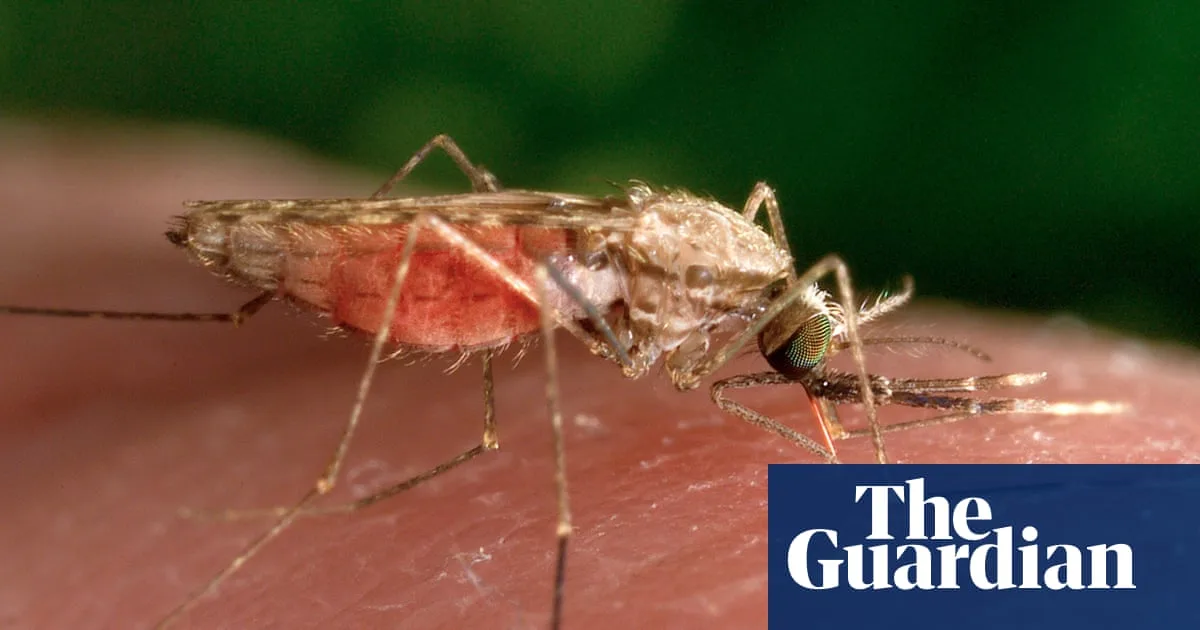
New research indicates that mosquitoes can learn to associate the common insect repellent Deet with feeding, potentially making it attractive to them under certain conditions. The study, published in the Journal of Experimental Biology, challenges the long-held belief that repellents work solely through chemical properties.
Researchers from the University of Tours, France, found that 60% of mosquitoes that fed on warm blood while exposed to Deet subsequently attempted to bite when exposed to Deet alone. In contrast, only 17% of untrained mosquitoes showed similar behaviour. Another test revealed that nearly 60% of trained mosquitoes tried to bite a researcher's Deet-treated hand, while untrained mosquitoes universally preferred the untreated hand.
Prof Claudio Lazzari, lead author, said: 'For a long time, it was believed that repellants worked solely because of their chemical properties... However, our findings suggest that the reaction can be modified by experience.' He emphasised that Deet does not lose effectiveness through normal use, only under specific laboratory conditions.
Dr Nina Stanczyk of ETH Zürich, who was not involved in the study, called the findings 'remarkable' but stressed that travellers should continue using repellents as directed. 'The most important point for travellers is to regularly reapply repellant as instructed by the product label,' she said.
Prof Francesca Romana Dani of the University of Florence noted that under normal conditions, mosquitoes are unlikely to change their response to Deet, as they encounter different repellents and take blood meals only every few days. The study's authors acknowledged that it was challenging to make mosquitoes feed in the presence of Deet initially, suggesting the highest risk of association occurs when the repellent starts to wear off.