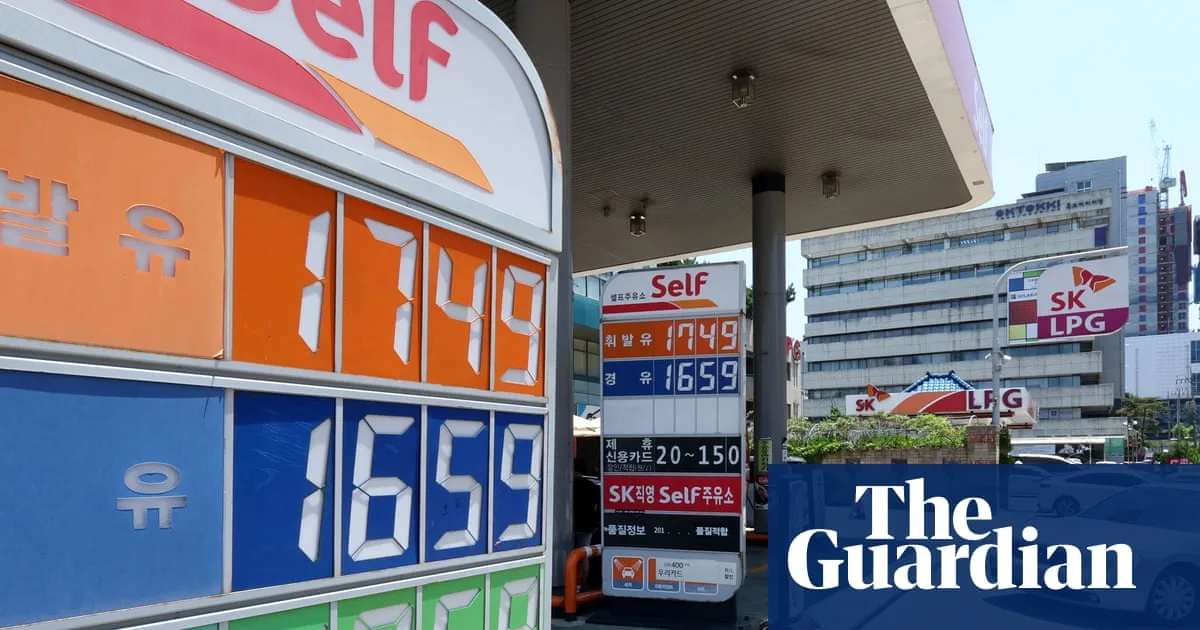
Iran's parliament has voted to close the Strait of Hormuz in retaliation for US strikes on three Iranian nuclear sites, raising fears of a sharp spike in oil prices that could trigger a global recession. The non-binding vote, reported by Reuters, leaves the final decision to Iran's supreme national security council, but analysts are already predicting a significant increase in crude prices when markets open.
Brent crude was trading at around $77 a barrel on Friday, up more than 10% since mid-June. Analysts from Rystad and SEB forecast a jump of $3 to $5 per barrel, while JP Morgan has warned that a sustained closure could drive prices as high as $130. A fifth of the world's oil consumption passes through the strait, a key chokepoint for Gulf oil exports.
Iranian officials have previously stated they would block the strait if Tehran's interests were threatened. A prolonged closure would have severe global economic consequences, risking high inflation as petrol and transport costs soar. Some analysts downplay the risk of long-term disruption, noting that most of Iran's oil exports to China transit the strait.
The all-time high for Brent crude is $147.50, set in July 2008. An oil price spike to $130 would exceed levels seen after Russia's invasion of Ukraine. The situation remains fluid, with markets bracing for volatility when trading resumes.