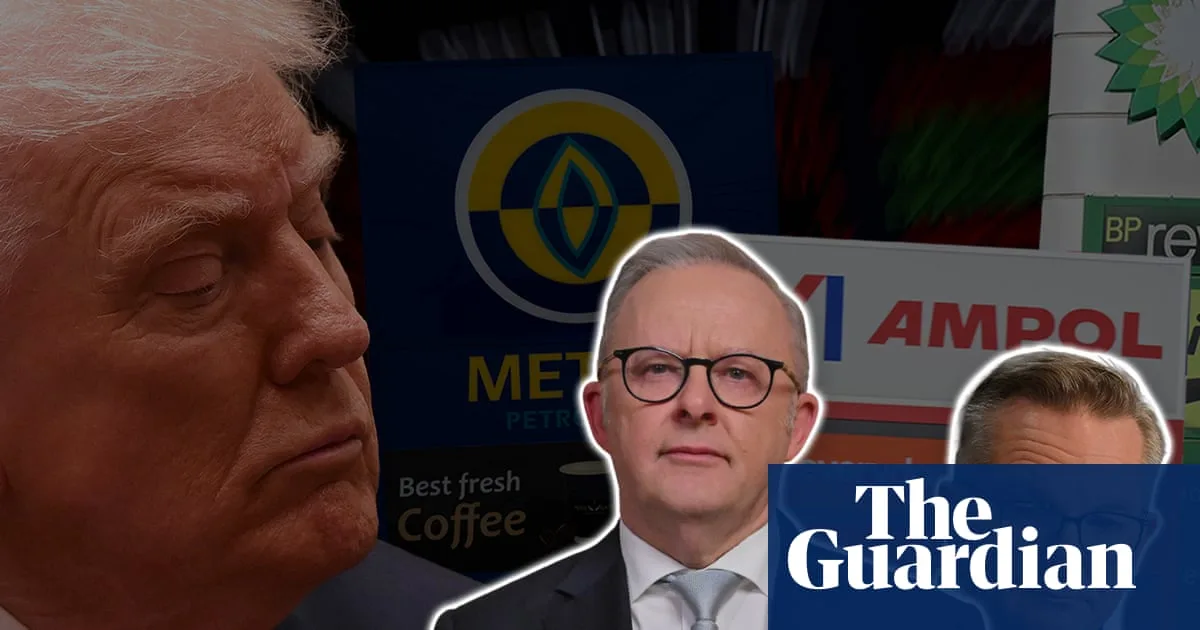
The global energy shock triggered by the US-led strikes on Iran has forced Australian Prime Minister Anthony Albanese to confront a new reality, prompting him to pursue structural economic reforms he previously avoided. The conflict, which began on 28 February when the US and Israel launched Operation Epic Fury, has led to soaring petrol prices and panic buying across Australia, exposing the nation's dependence on imported fuel.
Albanese, who was not consulted before the strikes, initially endorsed the operation but has since questioned its purpose as the war's objectives blurred. Under mounting political pressure, he announced billions in relief for motorists and businesses, while urging calm amid reports of service stations running dry. Energy Minister Chris Bowen warned on 10 March that panic buying was the 'biggest risk to availability', but the government faced criticism for downplaying the severity of the disruptions.
Despite assurances that Australia's fuel stocks were at their highest in 15 years, smaller independent retailers struggled to secure supplies from major companies like Mobil, BP, Ampol and Shell. The crisis has highlighted the closure of four of Australia's six petroleum refineries under the previous Coalition government, leaving the country exposed to global oil market volatility.
In a primetime address to the nation, Albanese sought to quell fears while cautioning that the 'months ahead may not be easy'. He framed the turmoil as a catalyst for ambitious reforms, telling the National Press Club that 'there is no security in maintaining a status quo that doesn't work for people'. The government is now grappling with the challenge of explaining the severity of the situation to a public still scarred by the Covid-19 pandemic.