Households in some of England and Wales's worst fuel poverty hotspots are paying among the highest energy bills in the country, according to analysis by Friends of the Earth. The charity identified neighbourhoods with below-average incomes and higher-than-typical energy costs, finding that residents there already pay hundreds of pounds more per year than the national average.
Price cap rise adds pressure
Ofgem has confirmed that the energy price cap will rise by 26% from January 1, adding £443 a year to reach £2,166 for a typical household paying by direct debit. The increase will hit households in these hotspots even harder, with many facing the choice between rationing heating or going without.
Friends of the Earth said the higher energy use in these areas could be due to poorly insulated homes, a lack of means to afford energy-saving measures, or additional energy needed for medical reasons. The charity also found that people of colour make up 35% of residents in neighbourhoods facing the greatest pressure from rising bills.
Worst-affected areas
The Hayes and Harlington constituency in west London was the worst-impacted hotspot, with 91% of households falling into the badly affected bracket. The average annual energy bill there is already just over £2,000, nearly £300 above the national average, and is forecast to jump to £2,430 from January. People of colour make up nearly seven in ten residents.
Another area identified is Bradford West, where average energy bills of almost £2,200 a year are forecast to surge to £2,600.
Personal impact
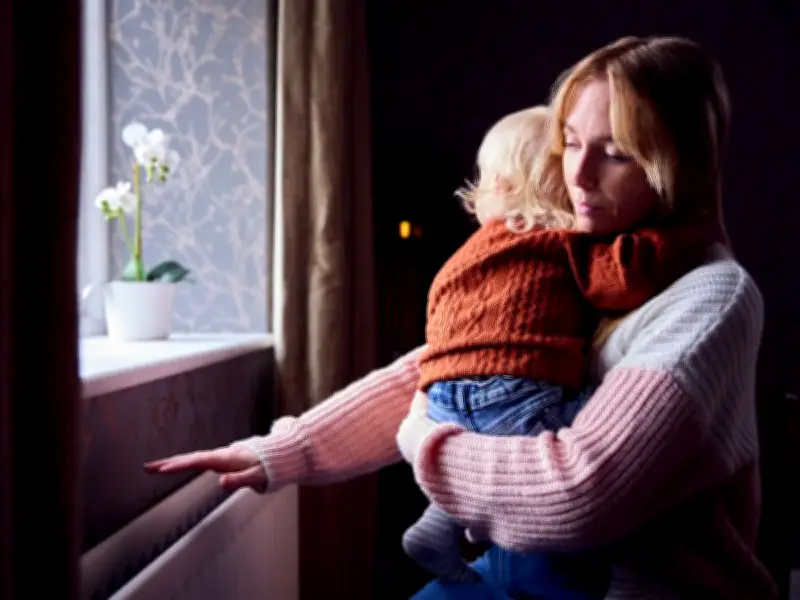
Sophia Hulse, a 43-year-old mother of six from Willenhall in the West Midlands, lives in an area identified as a hotspot. She is part of the Race Equality Foundation's Everyone's Environment programme, which highlights experiences of people of colour often left out of coverage of environmental and social issues.
Hulse, who has multiple myeloma, an incurable form of blood cancer, worked full-time before her diagnosis but has since had to leave the workforce to receive treatment. She faces constant worry about keeping herself and her family warm while putting food on the table.
Hulse said: "It's almost the worst part of it all. I'm battling cancer and now I'm battling bills. The cost of living shouldn't cost your health.
"Every time I turn the heating on, it's like I can hear money trickling out of my bank account. When you're too ill to work, but too poor to keep warm, how are you supposed to survive?
"The energy and cost of living crises are concentrating the financial pressure on those already living on the margins. The government should be doing more to make support for those who need it the most more accessible and urgently intervene to bring bills down this winter."
Denis Fernando, a campaigner at Friends of the Earth, said: "The cost of living, energy and climate crises are putting a magnifying glass to the deep inequalities in our society.
"The government must offer more support to those hardest hit. We need real solutions that tackle the root causes of the climate and energy crises: scaling up cheap, clean renewables, insulating heat-leaking homes and delivering targeted support for those who need it most.
"We don't need to be living at the mercy of volatile global gas markets. Where ordinary people, particularly those living on low incomes, people of colour, disabled and older people, are paying the highest costs for crises they did the least to cause."