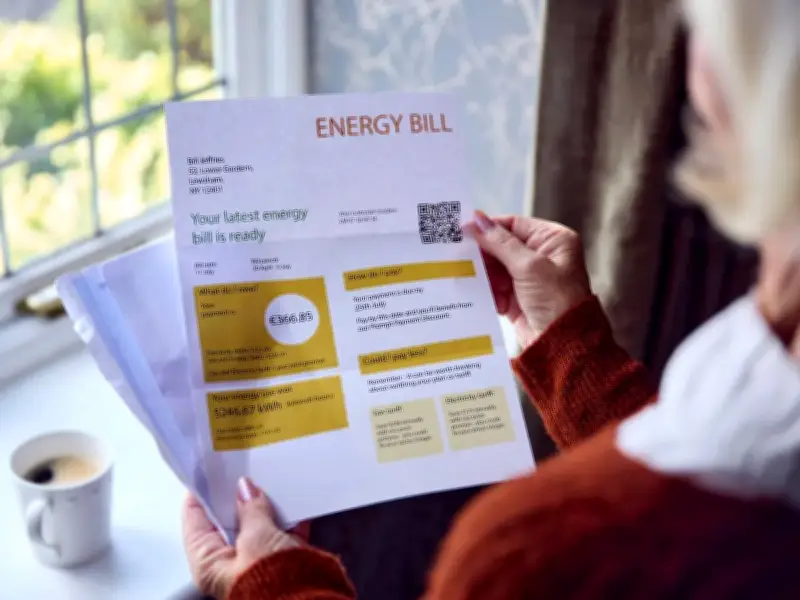
Energy regulator Ofgem has confirmed the energy price cap will rise by four per cent for the period covering October 1 to December 31, reaching its highest point in three years. The cap will increase by £60 annually – the equivalent of £5 per month – pushing it to £1,723 for a typical household using both gas and electricity, if sustained at that level for a full year.
Ofgem stated that this rise has been driven by higher wholesale gas prices amid the ongoing conflict in the Middle East, with volatility in global markets continuing to be the biggest factor influencing energy costs. The announcement has triggered widespread anxiety throughout the country, with households preparing themselves for a costlier winter – particularly those who work from home.
Home working and energy use
"While home working can offer greater flexibility, it can also mean higher household energy bills, particularly when heating, lighting and appliances are being used throughout the working day," says Mark Sait, CEO of SaveMoneyCutCarbon, which helps homeowners and businesses cut energy bills and be more sustainable. "The good news is there are some simple changes that can help people reduce the amount of energy they use, without compromising their comfort or productivity."

Here are 10 ways to slash your energy bills while working from home:
Review your tariff and usage
One of the 'most effective' approaches to cutting energy expenses is ensuring you're on the appropriate tariff, says John Kirkman, a sales consultant at the energy price comparison site Love Energy Savings. "Many people stay on the same deal for years without checking whether it still offers the best value," he points out. "Knowing when your current tariff ends and reviewing your options before renewal can help you avoid being moved on to more expensive rates."
Nevertheless, he warns householders against leaving it too late to hunt for a new energy deal. "A common mistake is waiting until a tariff has ended before looking at alternatives," he says. "Starting your search well in advance gives you more time to compare suppliers, understand different products and secure a deal that suits your needs and budget." He adds: "Many people focus on reducing day-to-day energy use, but reviewing your tariff can often be just as important. Taking a few minutes to understand your options and check whether you're on the right deal could help you make meaningful savings over the long term."
Sait emphasises that even modest adjustments can turn into substantial savings throughout the year. "For anyone working from home regularly, it's worth taking a step back to look at where your energy is being used during the working day," he advises. "Understanding those costs is the first step towards reducing them, helping households save money while also cutting unnecessary energy use and carbon emissions."
Choose the right deal and use tech
Certain energy packages feature variable pricing based on when electricity is consumed – time-of-use (ToU) tariffs – and Kirkman cautions that the most affordable option isn't necessarily the most suitable. These tariffs might provide lower off-peak charges, typically overnight, alongside elevated peak charges during busy daytime and evening slots, or conventional flat-rate tariffs which remain constant throughout the day. "Working from home patterns vary significantly from household to household, so it's important to choose a tariff that reflects how and when you use energy," Kirkman says. "Reviewing your usage regularly can help ensure you're not paying for a product that no longer fits your circumstances."
Sait recommends remote workers employ smart controls where suitable, explaining: "Timers, smart plugs and heating controls can make it easier to manage when energy is being consumed." Meanwhile, Joanna O'Loan, knowledge manager at the Energy Saving Trust, highlights that a smart meter can assist households in comprehending their energy consumption far more effectively. "Thinking about when you use energy can increasingly be just as important as how much you use," she says. "A smart meter can help you understand your household's energy use throughout the day and identify opportunities to reduce waste or take advantage of cheaper periods of electricity."

Heating, draughts and lighting
While heating might not be foremost in your thoughts during summer, it's important to remember that heating and hot water represent approximately 80% of a typical household's energy consumption, O'Loan highlights. "Making the most of your heating controls is one of the most effective ways to cut energy bills," she says. "Using a programmer, room thermostat and thermostatic radiator valves can help ensure you're only heating your home when and where it's needed." And if you're comfortable doing so, reducing your thermostat setting from 22°C to 21°C could save around £120 a year.
Sait suggests those working from home should "heat the person, not the whole house", so if you're operating from one room, consider whether you genuinely need to warm the entire property throughout the day. During winter, radiators can be turned off in areas of the house you're not occupying, with the door shut in your workspace to maintain cosiness. "If you're working from a spare room or home office, there's often little benefit in heating the entire house throughout the day," Kirkman observes.
It's tempting to simply leave work equipment such as laptops, monitors, printers and chargers on standby when not in use, but Kirkman cautions: "They all consume electricity. Devices left on standby can continue to draw power even when they aren't actively being used, so turning equipment off completely at the end of the working day can help reduce wasted energy." Identifying draughts and sealing any gaps is a fundamental energy-saving step that can be easily overlooked, and Sait says it's especially important to consider your workspace, as a poorly insulated room can require considerably more energy to maintain a comfortable temperature. "Small improvements such as draught-proofing can make a real difference," he stresses. "Sealing gaps around windows and doors can help keep heat in and reduce the amount of energy needed for heating."
Sait advises replacing conventional bulbs with LEDs, which consume significantly less energy and have a longer lifespan. Positioning your workspace near a window can help reduce reliance on artificial lighting throughout the day, says Kirkman. "Small adjustments like this may seem minor, but over time they can contribute to lower energy consumption," he points out.