
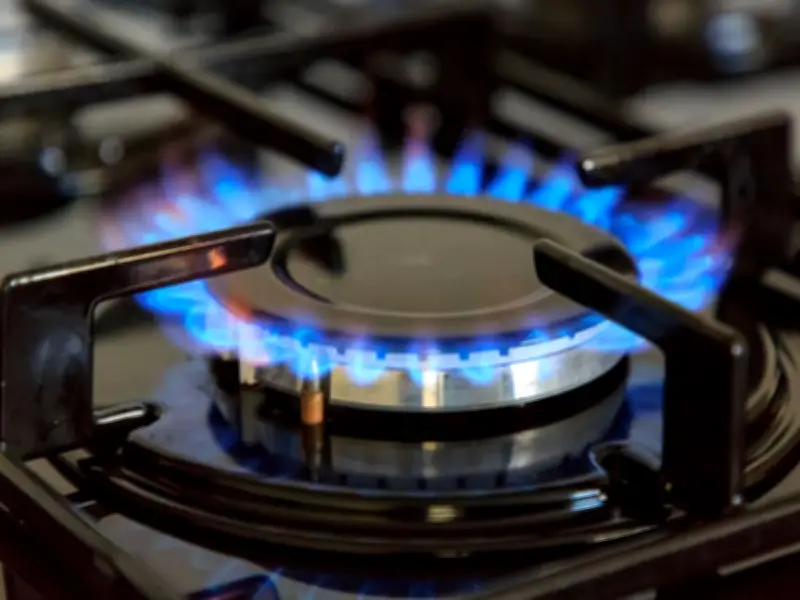
Energy bills will increase by 26% for millions of households in January, with the typical dual-fuel direct debit bill rising to £2,166 a year, according to Ofgem's latest price cap announcement. The rise is attributed to continued conflict in the Middle East, which is pushing up international gas prices.
Who is affected by the price cap rise
The cap affects around 20 million households on standard variable tariffs. Around 10 million households on fixed tariffs will not see an increase while their fixed deal remains in place. Gas prices are rising faster than electricity prices due to a shift in electricity generation away from gas-fired power stations toward renewables.
The exact increase for each household depends on energy consumption. Ofgem's director general for markets, Neil Kenward, said: "Conflict in the Middle East continues to drive energy costs higher, and we know this price increase will be a worry for many households as winter approaches. We urge anyone who is struggling to afford their energy bills to reach out to their supplier, who must offer appropriate support and advice – we are writing to suppliers today to remind them of their obligations and ensure they are ready to provide that support."
Advice for customers and government support
Kenward also noted that customers can reduce bills by considering a fixed tariff or switching to direct debit, which could save the average customer about £160 a year. He pointed to advice from the Energy Savings Trust on reducing energy use.
The government has pledged an extra £100 in January for households in council tax bands A to D, but campaigners argue this will not be enough. Simon Francis, coordinator of the End Fuel Poverty Coalition, said: "Households are set to pay more for gas than ever before with changes coming in the depths of winter. For millions of people that equals cold homes, mounting debt and having to make impossible choices."
Francis added that the support tied to council tax bands is "ineffective, insufficient and will miss many of those most in need," and pointed to £2.5 billion of cuts to the Warm Homes Plan made by the Chancellor in the Budget.
Calls for additional measures this winter
Francis suggested a new referral route so doctors, social workers and debt advisers can get struggling households onto existing support, and proposed that Ofgem and suppliers suspend debt repayments from prepayment meter users during winter so top-ups go entirely on energy.




