

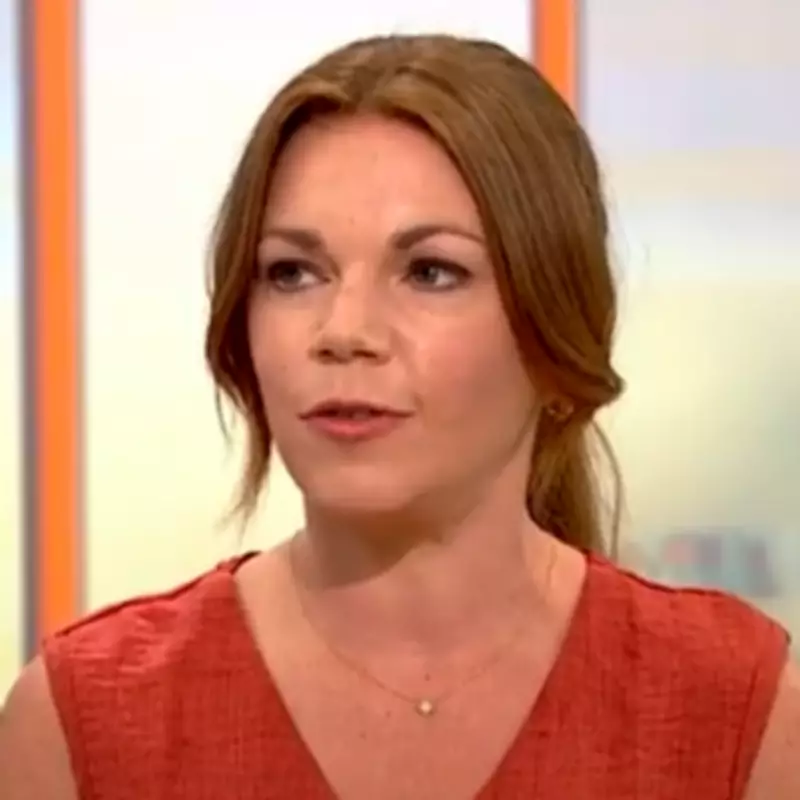
BBC Breakfast finance expert Holly Mead has issued a crucial warning to customers of major energy suppliers including Octopus Energy, British Gas, E.ON Next, OVO, EDF, ScottishPower, and Utilita. Following the announcement of a 13% rise in Ofgem's price cap from July 1, driven by ongoing conflict in the Middle East, Mead emphasised that households can take action now to mitigate the impact.
Understanding the Price Cap Rise
The increase will add approximately £18 per month to the average dual-fuel household bill, with gas bills rising by 24% and electricity by 5%. The typical annual energy cost will reach £1,862, up £221 from current levels, and further increases are forecast for October. Mead stressed that the price cap applies only to standard variable tariffs, and consumers have the power to choose cheaper fixed deals.
Advice from Holly Mead
Appearing on BBC Breakfast, Mead said: 'I think it's really important to remember what the price cap is and is the average amount that a household on the standard variable tariff with their provider will pay. So you have it in your power to not be in that tariff.' She noted that 65% of households are currently on standard tariffs, but fixed deals available now are slightly below the current cap of around £1,600. 'You can fix for 12 months or slightly longer, 13 to 15 months, at just below that rate, and the point being do that before July before this particular 13% increase kicks in.'

Mead warned that cheaper fixed deals may disappear soon as energy providers adjust to higher rates. 'What you might do is see in the coming days and weeks that those cheaper deals will disappear as energy providers pre-prepare for the higher rates. But you might see that you'll get a tariff that's around the forthcoming price cap, and it's still worth locking in if you believe energy prices are going to go up.'
Switching is 'Super Easy'
Mead reassured viewers that switching providers is straightforward: 'No, it is super easy. And it's one of those things like switching your bank, where you make the decision and tell the new provider, and they do all the work, and all you have to do is take a meter reading on the day. So, you're getting charged the right amount.' However, she cautioned about exit fees: 'If you want to leave your deal early, you'll be charged for each fuel, for gas and electricity. So, for example, if the Iran war eventually ends and prices come back down by September or October, but you're already on a fixed deal, you've got to figure out whether you're prepared to take that potential hit in the opposite direction.'
Government Response
Energy Secretary Ed Miliband commented: 'The rise in the price cap because of a war we did not choose is deeply unwelcome news for households across the country. We know people were under pressure before this crisis, and that's why easing that burden is our number one priority.' He added that the government would monitor the situation and plan for contingencies, emphasising the need to de-escalate the conflict and accelerate the transition to clean, homegrown power.
Alternative Tariffs
Mead also highlighted time-of-use tariffs for those with flexible schedules or electric vehicles, where energy is cheaper between midnight and 7am. For low-usage households, tariffs with higher unit rates but lower standing charges could be beneficial. 'There are different tariffs to keep your eyes out for,' she said.






