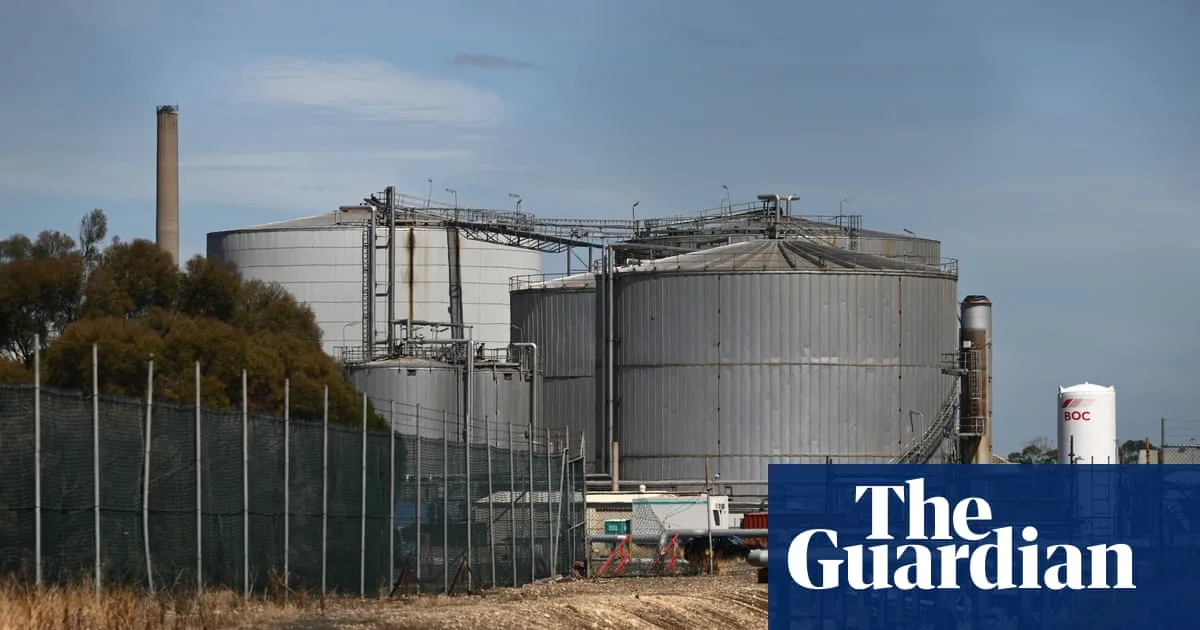
A small town in North Queensland has become one of the first areas outside of remote Australia to witness diesel prices surge to the $3-a-litre mark, igniting fury among local residents and highlighting broader economic anxieties. The NightOwl Shell service station on Queen Street in Ayr raised its prices on Monday, while also running out of standard E10 fuel, compounding frustrations in the community.
Regional Outcry Over Soaring Costs
An Ayr resident, speaking to the Daily Mail, expressed deep-seated anger, blaming the Albanese government for the escalating situation. "Three dollars a litre for diesel. I've lived here all my life and I've never seen anything like it," she said. She emphasised that every increase in diesel prices directly translates to higher costs for transporting essential goods like food and medicine to urban areas, yet argued that regional communities bear the brunt of the burden.
"We're not just paying for our own fuel. We're paying for their greeny bulls***," she added, criticising perceived policy failures. The resident highlighted the reliance on diesel for the local economy, including tradespeople and mining workers who commute long distances, questioning the sustainability of such price hikes. "Everything comes by truck up here. Groceries, medicines. Everyone in town pays for it," she noted, underscoring the cascading effects on daily life.
Global Conflict Fuels Price Surge
The sharp climb in fuel costs is largely attributed to coordinated US-Israeli strikes on Iran, which triggered the closure of the Strait of Hormuz—a critical chokepoint responsible for 20 percent of global oil supply. This geopolitical turmoil has destabilised markets, with diesel prices in parts of Sydney and Melbourne already nearing $3 a litre, while unleaded 91 averages around $2.45 nationally.
Government Response and Uncertainty
Assistant Trade Minister Matt Thistlethwaite, when pressed on whether Australians could soon face $4-a-litre petrol, refused to rule out the possibility. "I can't speculate on what's going to happen with prices, but obviously, the longer the conflict goes on, the more potential it has to restrict supplies and push up prices," he told Sky News. He warned that the ongoing conflict is having a destabilising effect, prompting calls from the Albanese government for a ceasefire negotiation between the Trump and Netanyahu administrations.
Thistlethwaite outlined efforts to bolster Australia's fuel security, stating, "The Prime Minister is negotiating with our Asian neighbours and counterparts to try and maximise the amount of fuel that is available in Australia." He advised the public to take only what they need during this crisis. Meanwhile, Energy Minister Chris Bowen suggested it would be "sensible" for Australians to work from home more often to mitigate fuel consumption.
Political Criticism and Regional Concerns
Queensland Premier David Crisafulli has voiced concerns over the federal government's perceived lack of urgency in addressing the fuel supply crisis. Additionally, State Treasurer and Energy Minister David Jenetski wrote to the federal government as early as March 10, urging stronger guarantees to protect fuel supplies in regional areas, reflecting growing anxiety over the economic impact on communities like Ayr.
As diesel prices break records in regional towns and major cities alike, the situation underscores the interconnectedness of global events and local economies, with residents and policymakers alike grappling with the fallout from escalating fuel costs.